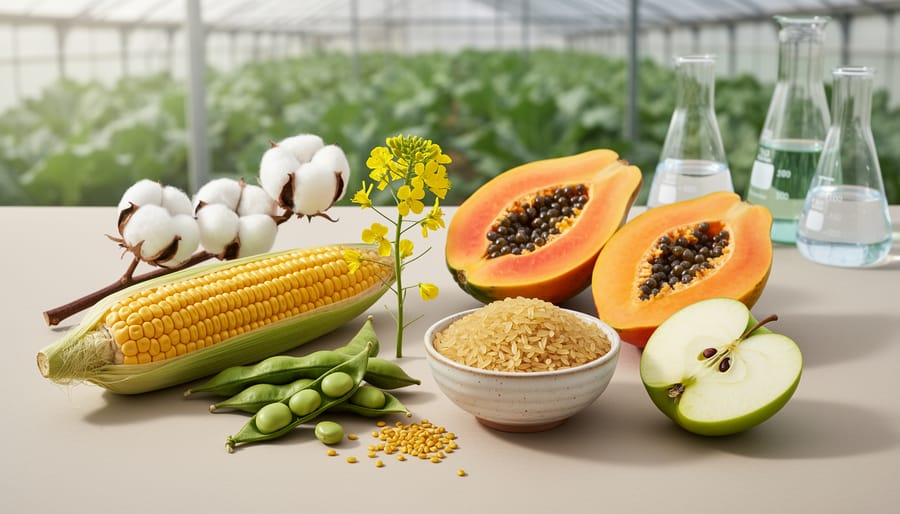
Genetic engineering has fundamentally transformed global agriculture by introducing precise molecular modifications that address critical challenges in food security, crop protection, and nutritional enhancement. Unlike traditional breeding methods that require generations of cross-pollination, genetic engineering enables scientists to introduce specific genes directly into plant genomes, creating crops with targeted traits that would be impossible or impractical to achieve through conventional approaches.
The technology’s real-world applications extend far beyond laboratory demonstrations. Bt corn and cotton, modified with genes from Bacillus thuringiensis bacteria, now protect themselves against devastating insect pests by producing crystalline proteins toxic only to specific lepidopteran larvae. Herbicide-tolerant soybeans, canola, and cotton carrying genes that confer resistance to glyphosate-based herbicides have revolutionized weed management practices across millions of hectares globally. Golden Rice, engineered to biosynthesize beta-carotene in the endosperm, addresses vitamin A deficiency affecting hundreds of millions of people in developing nations.
These examples represent more than theoretical possibilities—they demonstrate measurable impacts on agricultural productivity, environmental sustainability, and human health. Virus-resistant papaya varieties saved Hawaii’s papaya industry from collapse caused by ringspot virus, while drought-tolerant maize varieties help farmers maintain yields under water-limited conditions. Arctic apples with suppressed polyphenol oxidase genes resist browning, reducing food waste in the supply chain.
Understanding these concrete applications requires examining the molecular mechanisms underlying each modification, the regulatory pathways governing their approval, and the documented outcomes from decades of commercial cultivation. This examination reveals how targeted genetic modifications translate into practical solutions for agriculture’s most pressing challenges while informing ongoing discussions about biotechnology’s role in sustainable food production.
The Science Behind Genetic Engineering in Crops
Genetic engineering in crops relies on precise molecular techniques that enable scientists to introduce, modify, or delete specific genes to achieve desired agricultural traits. At the molecular level, these techniques have evolved significantly from early recombinant DNA methods to sophisticated genome editing approaches that are revolutionizing crop development.
The foundation of crop genetic engineering begins with gene insertion methods, which primarily utilize transformation vectors to deliver genetic material into plant cells. Agrobacterium-mediated transformation remains the most widely used technique, exploiting the natural ability of Agrobacterium tumefaciens bacteria to transfer DNA segments into plant genomes. Alternatively, biolistic transformation, commonly known as the gene gun method, physically propels DNA-coated microparticles into plant cells, proving particularly effective for monocots like rice and maize that are less susceptible to Agrobacterium infection.
- Transgenic Organisms
- Organisms containing genes transferred from other species, enabling expression of traits not naturally present in the recipient organism. These modifications cross species boundaries to introduce novel characteristics.
- Cisgenic Organisms
- Organisms modified using only genes from sexually compatible species, closely mimicking traditional breeding but with greater precision. This approach addresses some regulatory and public acceptance concerns associated with transgenic methods.
- Transformation Vectors
- Molecular vehicles, typically plasmids, that carry target genes along with regulatory sequences and selectable markers into host plant cells. These constructs ensure stable integration and expression of desired traits.
- CRISPR-Cas9
- A revolutionary gene editing system that enables precise, targeted modifications to DNA sequences without necessarily introducing foreign genetic material. This technique offers unprecedented accuracy in crop improvement.
Marker-assisted selection (MAS) represents a complementary approach, utilizing molecular markers linked to desirable genes to accelerate breeding programs without direct genetic modification. This technique has substantially reduced development timelines by enabling early-stage selection of beneficial traits in seedlings rather than waiting for mature plant phenotypes.
CRISPR technology has emerged as a transformative tool in crop engineering, offering targeted genome editing with remarkable precision. Unlike traditional transgenic approaches that randomly insert foreign DNA, CRISPR-Cas systems create specific double-strand breaks at predetermined genomic locations, allowing for gene knockouts, insertions, or replacements with minimal off-target effects.
The distinction between transgenic and cisgenic approaches carries important implications for both regulatory frameworks and public perception. While transgenic crops incorporate genes from distantly related or entirely different species, cisgenic modifications utilize genetic material exclusively from the crop species itself or close relatives, potentially addressing concerns about “unnatural” genetic combinations while achieving similar agricultural improvements.
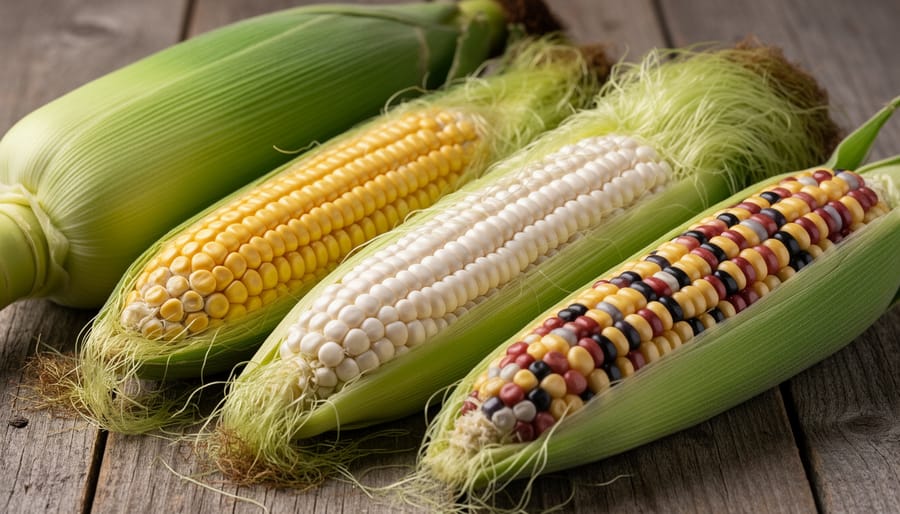
Bt Corn: Insect Resistance Through Bacterial Genes
Bt corn represents one of the most commercially successful applications of agricultural genetic engineering, incorporating genes from the soil bacterium Bacillus thuringiensis to confer insect resistance. The genetic modification involves inserting specific Bt genes that encode for crystalline (Cry) proteins, which function as highly selective insecticidal compounds. When target insects consume plant tissue containing these proteins, the alkaline environment of their digestive systems activates the Cry toxins, which bind to specific receptors in the gut epithelium, creating pores that lead to cellular lysis and ultimately insect death.
The most commonly deployed Bt corn varieties target the European corn borer (Ostrinia nubilalis) and corn rootworm species (Diabrotica spp.), two of the most economically damaging pests in maize production. Different Cry proteins exhibit specificity for different insect orders; for example, Cry1Ab and Cry1F proteins primarily target Lepidopteran pests like corn borers, while Cry3Bb1 and Cry34/35Ab1 target Coleopteran pests such as rootworms. This specificity minimizes impact on non-target organisms, including beneficial insects and natural predators.
The adoption rates of Bt corn have increased dramatically since commercial introduction in 1996, with current estimates indicating that over 80% of corn acreage in the United States now consists of Bt varieties or stacked-trait hybrids combining Bt with herbicide tolerance.
Field studies consistently demonstrate significant reductions in conventional insecticide applications, with some regions reporting decreases exceeding 90% for targeted pest management. This reduction translates to measurable environmental benefits, including decreased chemical residues in soil and water systems, and improved safety profiles for agricultural workers. Yield improvements vary by geographic region and pest pressure, but meta-analyses indicate average gains of 5-10% in areas with moderate to high pest populations. Industry experts note that the economic benefits extend beyond direct yield increases, encompassing reduced input costs, simplified pest management protocols, and decreased crop losses from secondary infections that often follow insect damage.
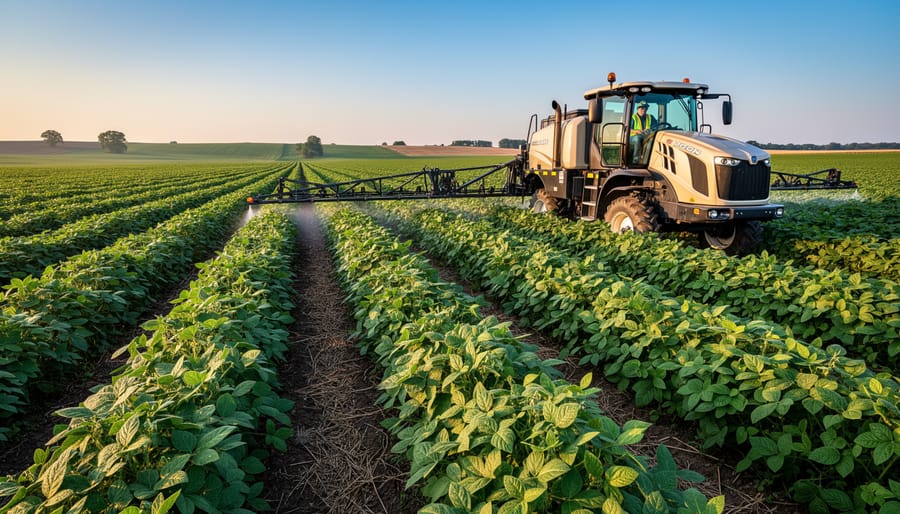
Herbicide-Tolerant Soybeans: Revolutionizing Weed Management
Herbicide-tolerant soybeans represent one of the most widely adopted genetic engineering innovations in modern agriculture. These varieties incorporate genes that confer resistance to specific herbicides, enabling farmers to control weeds without damaging their crops. The two primary systems involve glyphosate-resistant and glufosinate-resistant soybean cultivars, each utilizing distinct molecular mechanisms.
Glyphosate-resistant soybeans contain a modified version of the EPSPS enzyme (5-enolpyruvylshikimate-3-phosphate synthase) derived from Agrobacterium tumefaciens strain CP4. This enzyme remains functional even when glyphosate is applied, allowing the plant to continue producing essential aromatic amino acids while the herbicide disrupts this pathway in susceptible weeds. The CP4-EPSPS gene provides a critical competitive advantage, as farmers can apply glyphosate post-emergence, simplifying weed management protocols significantly.
Glufosinate-resistant varieties employ the phosphinothricin acetyltransferase (PAT) gene from Streptomyces species, which detoxifies glufosinate by acetylating it into an inactive compound. This mechanism prevents the herbicide from inhibiting glutamine synthetase in crop plants while effectively controlling broadleaf and grassy weeds.
The adoption of herbicide-tolerant soybeans has been extraordinary. By 2007, 91% of U.S. soybeans carried herbicide-tolerance traits, demonstrating unprecedented farmer acceptance. This transformation has delivered substantial agronomic benefits including reduced tillage requirements, lower labor costs, decreased soil erosion, and improved moisture retention. Farmers gain operational flexibility to apply herbicides when needed, rather than relying solely on pre-emergence applications.
However, the widespread adoption has necessitated evolving management practices. The emergence of glyphosate-resistant weeds has prompted integrated weed management strategies combining multiple herbicide modes of action, crop rotation, and mechanical control. Modern soybean production increasingly incorporates stacked traits offering tolerance to multiple herbicide classes, addressing resistance challenges while maintaining the fundamental efficiency gains that made herbicide-tolerant soybeans a cornerstone of contemporary agricultural biotechnology.
Golden Rice: Biofortification for Nutritional Enhancement
Golden Rice represents one of the most ambitious humanitarian applications of agricultural biotechnology, specifically designed to address vitamin A deficiency (VAD) in populations dependent on rice as a staple food. Developed through biofortification strategies, this genetically engineered variety incorporates genes that enable rice endosperm to produce beta-carotene, the metabolic precursor to vitamin A that gives the grain its characteristic golden hue.
The molecular engineering involves introducing two critical genes into the rice genome: phytoene synthase (psy) from daffodil (Narcissus pseudonarcissus) or maize, and phytoene desaturase (crtI) from the soil bacterium Erwinia uredovora. These genes establish a complete biosynthetic pathway for beta-carotene production in the rice endosperm, where it is normally absent. The endogenous rice enzymes complete the remaining steps of the carotenoid biosynthesis pathway, ultimately producing provitamin A that the human body converts to retinol upon consumption.
Development began in the 1990s when Ingo Potrykus and Peter Beyer first successfully transformed rice with beta-carotene genes, publishing their landmark results in 2000. The initial proof-of-concept variety, known as Golden Rice 1, produced approximately 1.6 micrograms of beta-carotene per gram of dry rice. Second-generation Golden Rice 2, released in 2005, achieved substantially higher yields through optimized gene constructs and promoter selection.
| Rice Variety | Beta-Carotene Content (μg/g dry weight) | % Daily Vitamin A Requirement (per 100g serving) |
|---|---|---|
| Conventional White Rice | 0 | 0% |
| Golden Rice 1 | 1.6 | 8-10% |
| Golden Rice 2 | 37 | 50-60% |
The humanitarian objective targets regions where VAD causes blindness and increased mortality among children, particularly in South and Southeast Asia. Despite its life-saving potential, Golden Rice has faced prolonged regulatory scrutiny across multiple jurisdictions. The Philippines granted biosafety approval in 2021, becoming the first country to authorize commercial propagation, followed by Bangladesh in 2024. However, deployment remains limited due to complex regulatory frameworks, public acceptance challenges, and intellectual property considerations. Industry experts emphasize that successful implementation requires comprehensive farmer training programs, consumer education initiatives, and integration with existing agricultural extension services to maximize impact in target populations suffering from micronutrient malnutrition.
Virus-Resistant Papaya: Saving an Industry from Collapse
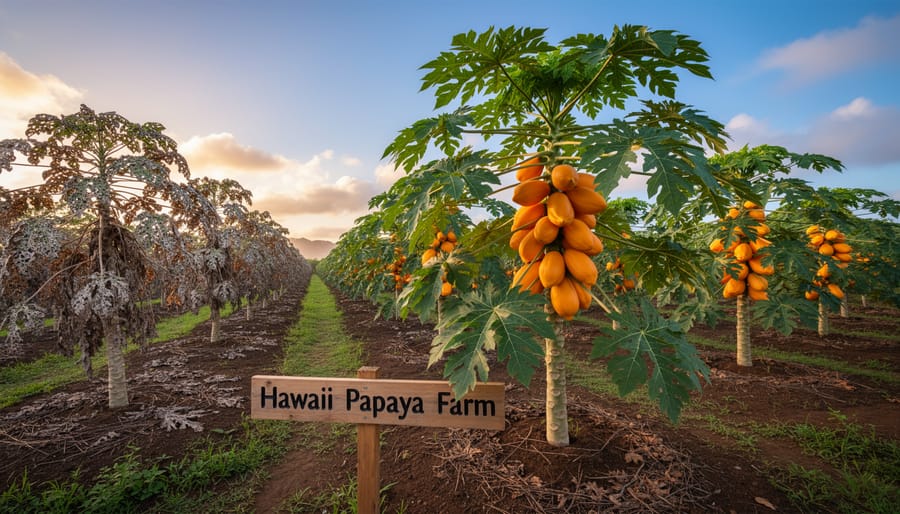
In the 1990s, Hawaii’s papaya industry faced near-extinction when papaya ringspot virus (PRSV) devastated commercial plantations, reducing production by more than 40% within just a few years. This agricultural crisis prompted one of genetic engineering’s most successful intervention stories: the development of the Rainbow papaya.
Scientists at Cornell University and the University of Hawaii employed coat protein-mediated resistance, a mechanism inspired by a naturally occurring phenomenon called pathogen-derived resistance. The team inserted a gene encoding the viral coat protein from PRSV into the papaya genome. When the transgenic plants encountered the actual virus, this pre-existing viral protein sequence triggered an RNA silencing response that prevented viral replication. Essentially, the plants developed immunity by recognizing and degrading viral RNA before infection could establish.
The Rainbow papaya variety received regulatory approval in 1998 and was distributed to Hawaiian growers. The impact was immediate and dramatic. Papaya production recovered substantially, with transgenic varieties comprising over 70% of Hawaiian papaya acreage within a decade. The industry stabilized, preserving both commercial operations and the cultural significance of papaya in Hawaiian agriculture.
Beyond its commercial success, the Rainbow papaya demonstrated critical proof-of-concept for RNA interference-based viral resistance in crop plants. This mechanism has since informed development programs targeting viral diseases in other species, including cassava brown streak virus in Africa and plum pox virus in stone fruits. The technology showcases how understanding molecular mechanisms of plant immunity can translate into practical solutions for agricultural sustainability.
The papaya case study also highlighted important regulatory and acceptance considerations. Despite clear benefits, market acceptance varied internationally, with some regions restricting imports of genetically engineered papaya. This underscored the necessity of combining technical innovation with stakeholder engagement and transparent communication about biotechnology applications in food production systems.
Cotton with Multiple Engineered Traits
Modern cotton biotechnology exemplifies the power of gene stacking—combining multiple transgenic traits within a single cultivar to address complex agricultural challenges. Second and third-generation Bt cotton varieties incorporate multiple cry genes targeting different lepidopteran pest species, while simultaneously expressing herbicide tolerance traits, creating comprehensive pest management solutions.
The most successful stacked-trait cotton varieties combine Cry1Ac and Cry2Ab proteins for broad-spectrum control of bollworms, budworms, and armyworms with tolerance to glyphosate or glufosinate herbicides. This gene pyramiding strategy addresses the primary production constraints facing cotton farmers: devastating insect pressure and labor-intensive weed management. By expressing multiple Bacillus thuringiensis-derived insecticidal proteins with distinct binding sites, these varieties significantly delay resistance development in target pest populations compared to single-gene approaches.
Global adoption statistics demonstrate the agricultural impact of these innovations. As of recent assessments, approximately 80% of cotton cultivated worldwide contains at least one transgenic trait, with India, United States, China, and Pakistan representing the largest production areas. Industry experts note that adoption rates correlate strongly with demonstrable economic benefits—farmers typically experience 15-30% yield increases while reducing insecticide applications by 50-70%.
The profitability equation extends beyond pest control. Herbicide-tolerant traits enable no-till and reduced-tillage cultivation practices, decreasing fuel costs and soil erosion while improving moisture retention in water-limited environments. Economic analyses consistently show improved gross margins for farmers adopting stacked-trait varieties, though benefits vary based on regional pest pressure, production systems, and market conditions.
Research developments continue advancing trait complexity. Emerging varieties under development incorporate drought tolerance genes, enhanced fiber quality traits, and even nitrogen-use efficiency improvements. These next-generation cotton cultivars represent sophisticated multi-gene engineering achievements, demonstrating how strategic trait combination addresses multiple agronomic challenges simultaneously while maintaining fiber quality standards essential for textile manufacturing.
Arctic Apples: Preventing Enzymatic Browning
Arctic Apples represent a pioneering application of RNA interference (RNAi) technology in agricultural biotechnology, specifically targeting the long-standing challenge of enzymatic browning in apples. Developed by Okanagan Specialty Fruits, these genetically engineered apples utilize RNAi to suppress the expression of polyphenol oxidase (PPO) genes, which are primarily responsible for the oxidative browning reaction that occurs when apple tissue is exposed to oxygen.
The molecular mechanism involves introducing a genetic construct containing inverted repeat sequences from PPO genes. When transcribed, these sequences form double-stranded RNA molecules that trigger the RNAi pathway, effectively silencing PPO gene expression by up to 90 percent. This downregulation prevents the enzymatic conversion of phenolic compounds to brown-colored quinones, maintaining the apple’s fresh appearance for extended periods after cutting.
From a commercial perspective, Arctic Apples offer significant potential for reducing food waste. Industry estimates suggest that approximately 40 percent of fresh-cut apple products are discarded due to browning, representing substantial economic and environmental losses. The non-browning trait eliminates the need for chemical antioxidant treatments like calcium ascorbate, appealing to clean-label consumer preferences.
However, market introduction has faced considerable challenges. Consumer acceptance remains mixed, with concerns about genetic modification technology persisting despite regulatory approval from the USDA and FDA. The apples carry no antibiotic resistance markers and contain only apple-derived genetic material, yet skepticism in certain market segments has limited widespread adoption. Educational efforts emphasizing the safety profile and environmental benefits continue as the technology expands to additional apple varieties, demonstrating both the promise and complexity of bringing novel biotechnology products to consumer markets.
Drought-Tolerant Corn: Engineering Climate Resilience
Drought represents one of agriculture’s most significant challenges, particularly as climate patterns become increasingly unpredictable. Genetically engineered drought-tolerant corn varieties exemplify how molecular biology addresses this critical issue through targeted genetic modifications that enhance water use efficiency and activate protective stress response mechanisms.
The development of drought-tolerant corn primarily focuses on introducing genes that regulate cellular responses to water scarcity. One prominent approach involves incorporating the bacterial gene cspB from Bacillus subtilis, which encodes a cold-shock protein that stabilizes cellular structures during environmental stress. Field trials conducted by major agricultural biotechnology companies have demonstrated yield improvements of 5-10% under moderate drought conditions compared to conventional varieties.
Another strategy targets the modification of gene regulation pathways controlling stomatal closure and root architecture. By manipulating transcription factors such as DREB (Dehydration-Responsive Element Binding) proteins, researchers have engineered corn plants that maintain photosynthetic efficiency while minimizing water loss through transpiration. These modifications trigger protective responses earlier in the drought cycle, allowing plants to conserve resources before damage occurs.
The molecular mechanisms underlying drought resistance involve complex signaling cascades. Enhanced expression of aquaporin proteins facilitates better water transport within plant tissues, while increased production of compatible solutes like proline protects cellular membranes from dehydration damage. Additionally, modifications to abscisic acid (ABA) signaling pathways improve the plant’s ability to detect and respond to soil moisture deficits.
Field performance data from commercial releases, particularly in water-limited regions of sub-Saharan Africa and the American Midwest, show promising results. These engineered varieties maintain stable yields during moderate drought events that would significantly reduce harvests in conventional hybrids, contributing substantially to climate change resilience strategies. The technology represents a crucial tool for ensuring food security as agricultural systems adapt to increasingly variable precipitation patterns.

Emerging Examples and Next-Generation Developments
The frontier of agricultural biotechnology continues to expand rapidly with next-generation genetic engineering applications addressing increasingly sophisticated challenges. Recent developments demonstrate the technology’s evolving capacity to enhance nutritional content, improve stress tolerance, and reduce agricultural environmental impacts through precision molecular interventions.
Disease-resistant bananas represent a crucial advancement in protecting global food security. Researchers have developed varieties engineered with resistance genes against Fusarium wilt tropical race 4, a devastating fungal pathogen threatening worldwide banana production. These modified cultivars express proteins that trigger enhanced immune responses, potentially preventing catastrophic losses in regions where bananas serve as dietary staples.
Low-acrylamide potatoes exemplify health-focused genetic modifications. By silencing asparagine synthetase genes through RNA interference, these potatoes produce substantially reduced acrylamide levels during high-temperature cooking. Acrylamide, a potential carcinogen formed when asparagine reacts with reducing sugars during frying, poses consumer health concerns that this innovation directly addresses through targeted metabolic pathway modification.
High-oleic soybeans deliver improved nutritional profiles and enhanced oil stability. Gene editing techniques have increased oleic acid content while reducing polyunsaturated fatty acids, producing oils with superior oxidative stability and reduced trans-fat formation during processing. This modification eliminates the need for partial hydrogenation, aligning agricultural outputs with evolving dietary recommendations.
Nitrogen-use efficient crops represent transformative sustainability advances. Scientists have introduced genes encoding optimized enzymes and regulatory proteins that enhance nitrogen uptake, assimilation, and utilization efficiency. These modifications promise reduced fertilizer requirements, decreased environmental nitrogen runoff, and maintained yields under lower input conditions—addressing both economic and ecological agricultural challenges.
Gene-edited wheat varieties demonstrate CRISPR-Cas9 technology’s precision in improving complex polyploid genomes. Researchers have successfully edited genes controlling powdery mildew resistance, gluten protein composition, and yield-related traits without introducing foreign DNA. These developments showcase how modern gene editing expands modification possibilities beyond traditional transgenic approaches, potentially addressing regulatory and consumer acceptance barriers while delivering agronomic benefits across diverse crop species and agricultural systems.
Regulatory Frameworks and Global Adoption Patterns
The regulatory landscape for genetically engineered crops varies dramatically across global jurisdictions, creating distinct patterns of commercialization and adoption. In the United States, the Coordinated Framework involves three primary agencies: the USDA regulates plant pest risks, the EPA oversees pesticidal traits, and the FDA evaluates food safety. This risk-based approach has facilitated relatively streamlined approvals since the mid-1990s. The European Union employs a more precautionary regulatory system under Directive 2001/18/EC, requiring extensive environmental risk assessments and mandatory labeling, which has resulted in significantly slower approval timelines and limited commercial cultivation despite scientific consensus on safety.
Safety assessment protocols globally follow principles established by international bodies including the Codex Alimentarius Commission and the World Health Organization. These protocols evaluate substantial equivalence, allergenicity potential, toxicological profiles, and unintended effects through compositional analysis and feeding studies. Molecular characterization techniques, including whole-genome sequencing and proteomics, have become standard tools for assessing genetic stability and identifying any unintended genomic modifications.
| Country | Total GE Crop Area (Million Hectares, 2022) | Primary Crops |
|---|---|---|
| United States | 75.0 | Maize, soybean, cotton |
| Brazil | 55.8 | Soybean, maize, cotton |
| Argentina | 24.5 | Soybean, maize, cotton |
| Canada | 12.6 | Canola, maize, soybean |
| India | 11.4 | Cotton |
These adoption statistics demonstrate that countries with enabling regulatory frameworks and strong agricultural biotechnology infrastructure lead in commercialization. Factors influencing approval timelines include public perception, political considerations, international trade implications, and the robustness of domestic regulatory capacity. Developing nations increasingly adopt GE crops when regulatory systems align with scientific risk assessment principles, though intellectual property concerns and technology access remain significant barriers to broader implementation.
The examples of genetically engineered crops discussed throughout this article demonstrate the transformative potential of molecular biotechnology in addressing critical challenges facing modern agriculture. From Bt corn and cotton that reduce pesticide dependence to herbicide-tolerant soybeans enabling conservation tillage practices, these innovations have fundamentally reshaped agricultural productivity across millions of hectares globally. Golden Rice exemplifies how targeted genetic modifications can address micronutrient deficiencies, while virus-resistant papaya showcases the capacity of biotechnology to rescue entire industries from devastating pathogens.
These achievements represent more than incremental improvements; they constitute paradigm shifts in how we approach food security, environmental sustainability, and agricultural resilience. The integration of pest resistance genes has reduced chemical inputs significantly, decreasing environmental contamination and farmer exposure to toxic compounds. Drought-tolerant varieties developed through genetic engineering offer critical adaptation strategies as climate variability intensifies, while nutritionally enhanced crops address hidden hunger affecting billions worldwide.
Looking forward, the trajectory of crop biotechnology continues to accelerate. Advanced gene-editing technologies such as CRISPR-Cas9 enable precise modifications with unprecedented efficiency, potentially addressing regulatory concerns while expanding the toolkit available to plant scientists. Ongoing research directions include developing crops with enhanced nitrogen-use efficiency to reduce fertilizer runoff, engineering photosynthetic improvements for increased yields, and creating varieties resilient to emerging pests and diseases.
The convergence of genomics, bioinformatics, and synthetic biology promises a new generation of engineered crops tailored to specific environmental conditions and nutritional requirements. As global population pressures mount and arable land becomes increasingly scarce, these biotechnological innovations will prove indispensable in achieving sustainable food systems capable of nourishing future generations while preserving planetary health.