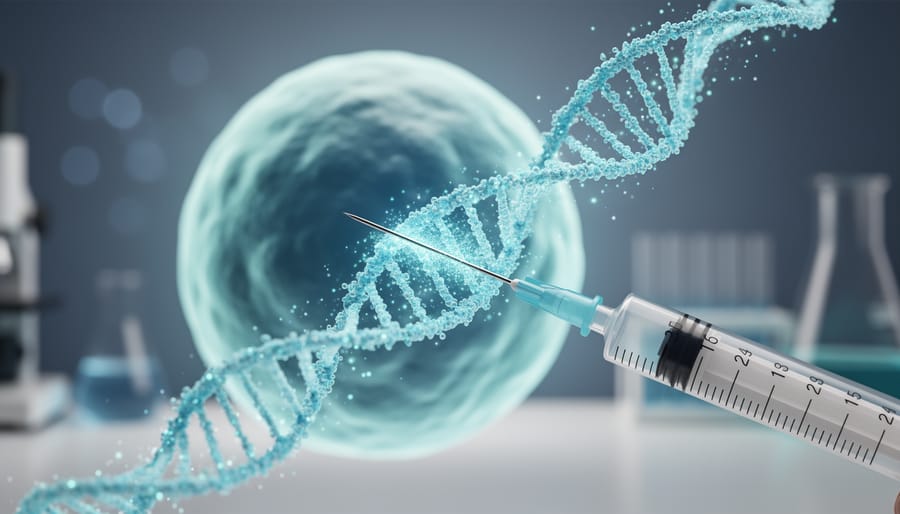
An RNA cancer vaccine is a therapeutic platform that trains the immune system to recognize and attack cancer cells by delivering messenger RNA encoding tumor-associated antigens, prompting the patient’s own cells to produce these proteins and trigger a targeted immune response.
This molecular approach represents a fundamental shift in oncology. Unlike chemotherapy or radiation, which directly kill malignant cells, RNA vaccines harness the body’s immune surveillance to selectively eliminate tumor tissue while sparing healthy cells. The technology emerged from decades of immunotherapy research but gained unprecedented momentum following the successful deployment of mRNA platforms during the COVID-19 pandemic, which validated manufacturing scalability and regulatory pathways that now accelerate cancer applications.
The clinical promise is substantial. Early-phase trials in melanoma, pancreatic cancer, and colorectal malignancies have demonstrated encouraging response rates, with several personalized RNA vaccine candidates advancing to Phase 3 studies in 2026. Leading biopharmaceutical companies have partnered with academic centers to develop both off-the-shelf formulations targeting common tumor antigens and bespoke vaccines tailored to individual patient mutations identified through next-generation sequencing.
Understanding how RNA cancer vaccines function requires clarity on their design principles, the immunological cascade they initiate, and the practical considerations that distinguish them from conventional immunotherapies. This article provides a comprehensive technical overview of RNA vaccine mechanisms, examines the major therapeutic categories currently under investigation, and evaluates their clinical integration alongside checkpoint inhibitors and adoptive cell therapies. We’ll explore what molecular biology professionals and oncology practitioners need to know about this rapidly evolving modality as it transitions from experimental protocols to standard-of-care consideration.
What Are RNA Cancer Vaccines?
RNA cancer vaccines represent a class of immunotherapies that harness messenger RNA molecules to instruct the body’s own cells to produce proteins that trigger an immune response against cancer. Unlike traditional vaccines that prevent infectious diseases by introducing weakened pathogens or viral proteins, these therapeutic agents work by delivering synthetic mRNA sequences that encode tumor antigens proteins either uniquely present on cancer cells or abnormally overexpressed by tumors. Once administered, typically via lipid nanoparticles that protect and transport the mRNA, the patient’s cells translate these genetic instructions into tumor antigens, which the immune system recognizes as threats and mounts an attack against any cells displaying those markers.
- mRNA vaccine
- A vaccine platform using messenger RNA to provide cells with instructions to produce specific proteins, triggering an immune response without introducing live or inactivated pathogens.
- Tumor-associated antigen (TAA)
- A protein that is overexpressed in cancer cells but also present at lower levels in normal cells, making it a target for cancer immunotherapy despite not being entirely cancer-specific.
- Tumor-specific antigen (TSA)
- A protein found exclusively on cancer cells and absent from healthy tissue, often arising from mutations unique to the tumor.
- Neoantigen
- A novel protein fragment created by tumor-specific mutations that the immune system has never encountered, representing highly specific targets for personalized cancer vaccines.
- Immunotherapy
- Treatment strategies that leverage or enhance the body’s immune system to fight disease, particularly cancer, rather than directly attacking malignant cells with cytotoxic agents.
What distinguishes RNA cancer vaccines from conventional cancer immunotherapies like checkpoint inhibitors is their proactive approach: rather than simply removing the brakes on existing immune responses, they actively train the immune system to recognize and remember cancer-specific targets. This educational function positions them within the broader landscape of personalized medicine, where vaccines can be tailored to an individual patient’s unique tumor mutation profile. The technology enables rapid design and manufacturing compared to traditional vaccine development, with some personalized formulations moving from tumor biopsy to patient administration in weeks rather than months or years.
How RNA Cancer Vaccines Work
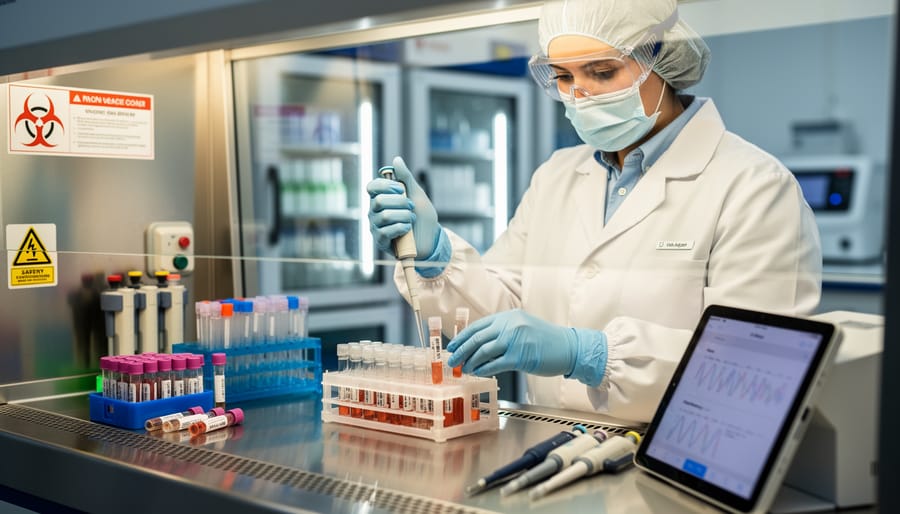
Delivery Mechanisms and Cellular Uptake
Naked RNA molecules are inherently unstable in the bloodstream, vulnerable to degradation by ubiquitous RNase enzymes and unable to efficiently cross cell membranes due to their negative charge and size. This is where sophisticated delivery systems become essential for RNA cancer vaccines.
The most widely adopted delivery platform uses lipid nanoparticles, microscopic spheres typically 80-200 nanometers in diameter composed of ionizable lipids, phospholipids, cholesterol, and polyethylene glycol. These components self-assemble around mRNA molecules during manufacturing, creating a protective shell that shields the genetic payload from enzymatic attack while facilitating cellular entry. The ionizable lipids carry a positive charge at acidic pH, enabling electrostatic binding to negatively charged mRNA, but become neutral at physiological pH to reduce toxicity.
Following intramuscular injection, lipid nanoparticles drain into local lymph nodes, anatomical hubs packed with antigen-presenting cells including dendritic cells and macrophages. These professional immune cells internalize the nanoparticles through endocytosis, engulfing them into membrane-bound vesicles. As the endosome acidifies, the ionizable lipids become positively charged and destabilize the endosomal membrane, allowing mRNA to escape into the cytoplasm, a process called endosomal escape that represents a critical bottleneck in vaccine efficacy.
Once in the cytoplasm, cellular ribosomes translate the mRNA into tumor antigen proteins, which are then processed and displayed on the cell surface, triggering the adaptive immune response that defines cancer vaccine function.
Immune System Activation
Once dendritic cells translate the vaccine mRNA into tumor antigens, they migrate to nearby lymph nodes where antigen presentation activates T cells through a precisely orchestrated molecular recognition process. The dendritic cells display antigenic peptides on their surface via major histocompatibility complex (MHC) molecules, MHC class I presents to CD8+ T cells while MHC class II presents to CD4+ T cells, creating the critical interface between innate and adaptive immunity.
CD8+ cytotoxic T lymphocytes represent the primary killing force against cancer cells. When their T-cell receptors recognize tumor antigens presented on MHC class I, these cells undergo clonal expansion, multiplying into thousands of identical copies capable of searching throughout the body for cancer cells displaying the same antigen. Once they locate target cells, CD8+ T cells release perforin and granzymes that puncture the cancer cell membrane and trigger apoptosis, effectively eliminating malignant cells with surgical precision.
CD4+ helper T cells serve as coordinators of the broader immune response. They secrete cytokines that amplify CD8+ T cell activity, recruit natural killer cells, and stimulate B cells to produce antibodies against tumor antigens. This multi-pronged attack creates redundancy in the anti-cancer response, increasing the likelihood of tumor control.
The most significant long-term benefit comes from immune memory generation. A subset of activated T cells differentiates into memory T cells that persist for months or years after vaccination. These sentinel cells remain primed to rapidly recognize and attack cancer cells bearing the target antigens, providing ongoing surveillance that can prevent recurrence or control minimal residual disease long after treatment concludes.
Types of RNA Cancer Vaccines
Shared Antigen Vaccines
Shared antigen vaccines target tumor-associated antigens, proteins overexpressed or abnormally expressed in cancer cells, that are common across many patients with the same cancer type. Instead of customizing each vaccine to an individual’s unique tumor mutations, these standardized formulations encode shared tumor antigens like HER2 (prevalent in breast and gastric cancers), MAGE-A3 (found in melanoma and lung cancer), or WT1 (present in leukemias and solid tumors). The mRNA instructs cells to produce these target proteins, training the immune system to recognize and attack any cell displaying them.
The main advantage lies in scalability. Because the antigen sequence is identical across patients with a given cancer type, manufacturers can produce these vaccines in larger batches, significantly reducing production time from weeks to days and lowering costs compared to personalized approaches. This off-the-shelf model enables faster clinical deployment and broader access, particularly in settings where rapid genomic sequencing and custom manufacturing aren’t feasible.
However, shared antigen vaccines face a key limitation: tumor heterogeneity. Not every patient’s cancer expresses the target antigen at high levels, and tumors can downregulate these proteins to escape immune detection, potentially limiting long-term efficacy in some individuals.
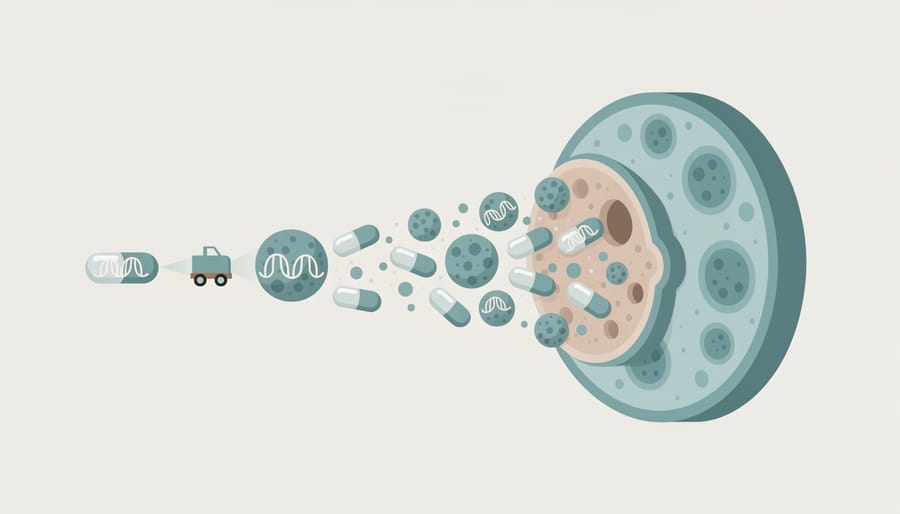
Personalized Neoantigen Vaccines
Personalized neoantigen vaccines represent the most tailored approach to cancer immunotherapy, targeting mutations unique to each patient’s tumor. Unlike shared antigen vaccines that work across populations, these vaccines are manufactured individually after analyzing a patient’s specific tumor genome.
The process begins with whole-exome sequencing of both tumor tissue and normal cells from the same patient. Bioinformatics algorithms compare these sequences to identify somatic mutations, genetic changes present only in cancer cells. These mutations produce neoantigens: altered proteins that the immune system can recognize as foreign because they never appeared during immune tolerance development.
Computational prediction tools then evaluate which neoantigens are most likely to bind strongly to the patient’s own MHC molecules and trigger robust T-cell responses. Factors like binding affinity, expression level, and clonal prevalence influence selection. Typically, scientists choose 10 to 30 top-ranked neoantigens for inclusion in a single vaccine.
Once targets are selected, synthetic mRNA sequences encoding these neoantigens are designed and manufactured. The entire pipeline, from biopsy to deliverable vaccine, now takes approximately six to eight weeks at specialized facilities, though researchers are working to compress this timeline further.
This precision approach maximizes the chance that the immune system will recognize and attack tumor cells while sparing healthy tissue. Early clinical trials in melanoma and glioblastoma have shown promising T-cell responses and clinical benefit, particularly when combined with checkpoint inhibitors that remove immune brakes.

Self-Amplifying RNA Vaccines
Self-amplifying RNA (saRNA) vaccines represent a sophisticated evolution in RNA vaccine technology, engineered to replicate within host cells and generate sustained antigen production from substantially smaller initial doses. Unlike conventional mRNA vaccines that translate into protein and degrade, saRNA contains genetic sequences derived from alphaviruses that encode both the tumor antigen and the enzymatic machinery necessary for self-replication. Once delivered into a cell, this self-copying mechanism amplifies the RNA molecules exponentially, producing higher and more prolonged levels of the target antigen without requiring larger quantities of injected material.
This amplification strategy offers several advantages for cancer immunotherapy. The extended antigen expression period potentially generates stronger and more durable immune responses, allowing T-cells more time to recognize and respond to tumor targets. The dose-sparing effect reduces manufacturing costs and material requirements, addressing scalability challenges that affect personalized vaccine production. Early clinical trials in melanoma and other solid tumors have demonstrated that saRNA vaccines can achieve comparable or superior immunogenicity to conventional mRNA platforms while using ten to one hundred times less RNA per dose. However, the larger molecular size of self-amplifying constructs and concerns about potential inflammatory responses from prolonged intracellular RNA replication remain active areas of optimization.
Clinical Applications and Uses
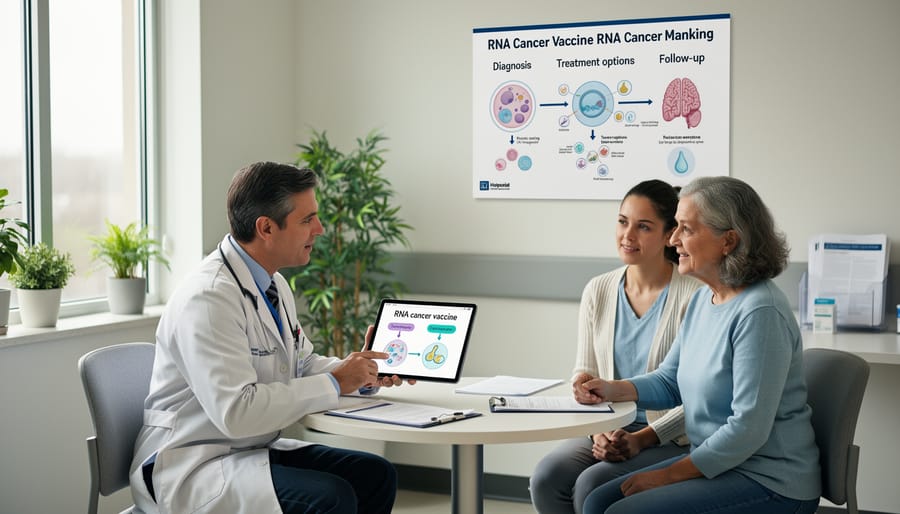
Therapeutic Vaccines for Active Disease
RNA cancer vaccines are actively being deployed in patients with diagnosed tumors, where they aim to activate the immune system against established disease. Unlike traditional vaccines that prevent infection, these therapeutic agents target malignancies already present in the body, training T-cells to recognize and destroy cancer cells expressing specific tumor antigens.
Melanoma and non-small cell lung cancer represent the leading edge of clinical application. In melanoma trials, personalized mRNA vaccines have demonstrated measurable tumor regression and extended progression-free survival, particularly when tumors harbor high mutation burdens that provide numerous neoantigen targets. The vaccines work by amplifying tumor-specific immune responses that may have been suppressed or insufficient to control disease naturally.
For lung cancer patients, therapeutic RNA vaccines address mutations common in adenocarcinoma subtypes, generating cytotoxic T-cell populations capable of infiltrating tumors and eliminating malignant cells. Clinical data through 2026 shows response rates varying with tumor mutational load, prior treatment history, and immune microenvironment characteristics. Patients with immunologically “cold” tumors often require combination approaches to overcome resistance mechanisms and achieve durable responses.
Adjuvant and Preventive Applications
After surgical removal of a tumor, microscopic cancer cells often remain in the body as minimal residual disease. RNA cancer vaccines serve a critical adjuvant role in this setting by training the immune system to hunt down these lingering cells before they establish new tumors. Clinical trials in melanoma and pancreatic cancer have demonstrated that post-operative vaccination can extend disease-free survival by several months to years, particularly when the immune system receives this targeted education while tumor burden is at its lowest.
The preventive potential extends beyond adjuvant therapy. Researchers are exploring vaccines for individuals with hereditary cancer syndromes, such as Lynch syndrome or BRCA mutations, who face dramatically elevated lifetime cancer risks. Early-phase trials are testing whether periodic vaccination can establish immune surveillance against cells that acquire the first oncogenic mutations. While still experimental in 2026, this prophylactic approach represents a paradigm shift: intercepting cancer development before clinical disease emerges rather than reacting to established tumors.
The personalized nature of neoantigen vaccines makes them especially promising in the adjuvant setting, where tumor tissue from surgery provides the genomic blueprint for designing a vaccine matched precisely to that patient’s cancer fingerprint.
Combination Strategies
RNA cancer vaccines rarely work alone in clinical practice. Most current trials pair them with checkpoint inhibitors like pembrolizumab or nivolumab, which block PD-1/PD-L1 pathways that tumors exploit to evade immune detection. This combination amplifies the vaccine’s effect: the mRNA primes tumor-specific T-cells, while checkpoint blockade releases the brakes on those same cells, allowing sustained attack on cancer.
Chemotherapy and radiation create additional synergy. These treatments cause immunogenic cell death, releasing tumor antigens and danger signals that prime the environment for vaccine-induced immunity. Targeted therapies like BRAF or HER2 inhibitors reduce tumor burden, making residual cancer cells more vulnerable to immune clearance.
The sequencing matters. Clinicians typically initiate checkpoint inhibitors first or concurrently with vaccination, adjusting based on toxicity profiles and tumor response kinetics observed in individual patients.
Current Clinical Landscape in 2026
As of mid-2026, the RNA cancer vaccine field has reached a pivotal stage with over 80 active clinical trials spanning melanoma, non-small cell lung cancer, colorectal cancer, and pancreatic adenocarcinoma. BioNTech’s personalized neoantigen vaccine BNT122 (iNeST) has advanced to late-phase trials in melanoma and head-and-neck squamous cell carcinoma, with early data suggesting meaningful improvements in recurrence-free survival when combined with pembrolizumab. Moderna’s mRNA-4157 (V940) has garnered significant attention following a phase 2b study in partnership with Merck showing a 49% reduction in recurrence or death risk in high-risk melanoma patients when added to Keytruda, prompting accelerated phase 3 development and a breakthrough therapy designation from the FDA.
Genentech and BioNTech have initiated a collaboration focusing on individualized neoantigen vaccines for pancreatic cancer, one of the most difficult-to-treat malignancies. Their RO7198457 candidate entered phase 2 trials in early 2026, targeting patients post-surgical resection with sequencing-based personalized vaccines manufactured within eight weeks. CureVac, despite earlier setbacks in infectious disease applications, has pivoted its second-generation mRNA platform toward oncology with CV8102, a self-amplifying RNA vaccine adjuvant now being tested in combination trials for advanced melanoma and renal cell carcinoma.
Smaller biotech players are carving niches as well. Elicio Therapeutics’ lymph-node-targeted RNA platform has shown promising immunogenicity data in solid tumors, while Arcturus Therapeutics is leveraging self-amplifying RNA technology in a phase 1/2 trial for ornithine transcarbamylase-deficient hepatocellular carcinoma. The regulatory landscape has evolved to accommodate personalized vaccine manufacturing timelines, with both the FDA and EMA establishing expedited review pathways for tumor-sequencing-based products. Industry analysts project that the first RNA cancer vaccine approval could arrive by late 2027 or early 2028, most likely in the melanoma or non-small cell lung cancer settings where checkpoint inhibitor combination data is most mature.
Advantages and Challenges
RNA cancer vaccines represent a paradigm shift in oncology, yet their path from laboratory to widespread clinical use involves navigating significant technical and logistical hurdles alongside their considerable promise.
The advantages start with precision. Unlike chemotherapy or radiation, which indiscriminately damage both cancerous and healthy cells, RNA vaccines train the immune system to recognize specific tumor markers. This targeted approach minimizes collateral damage to normal tissue. The technology also enables rapid adaptation: once a patient’s tumor mutations are identified through sequencing, researchers can design and manufacture a personalized vaccine in weeks rather than the months or years traditional drug development requires. This speed matters enormously for patients with aggressive cancers.
Manufacturing flexibility gives RNA vaccines another edge over conventional biologics. Production doesn’t require live pathogens or complex cell culture systems. The same basic platform and equipment can produce vaccines for melanoma, lung cancer, or any other malignancy by simply changing the encoded sequence. This modularity reduces costs and accelerates the pipeline from discovery to patient administration.
However, substantial challenges remain. Stability poses a persistent problem: mRNA molecules degrade rapidly at room temperature, necessitating cold chain logistics that complicate distribution, particularly in resource-limited settings. Researchers are developing more stable formulations, but current vaccines often require ultra-cold storage.
Immunogenicity variability presents another obstacle. Not all patients mount equally strong immune responses, and some tumors create immunosuppressive microenvironments that blunt vaccine effectiveness. Determining optimal dosing schedules, identifying predictive biomarkers for responders, and overcoming tumor immune evasion mechanisms represent active research frontiers.
Cost and access concerns cannot be ignored. Personalized neoantigen vaccines require expensive genomic sequencing, bioinformatics analysis, and custom manufacturing for each patient. While combination trials with checkpoint inhibitors show promise, these regimens multiply expenses. Scaling production to meet potential demand while maintaining quality control standards remains an ongoing challenge for manufacturers navigating regulatory pathways across multiple jurisdictions.
Frequently Asked Questions
How are RNA cancer vaccines different from traditional preventive vaccines?
Traditional preventive vaccines protect against infectious diseases by training the immune system to recognize viruses or bacteria before exposure. RNA cancer vaccines are therapeutic immunotherapies designed to treat existing cancers or prevent recurrence by teaching the immune system to recognize and attack tumor cells bearing specific antigens.
Are RNA cancer vaccines safe?
Clinical trials to date show RNA cancer vaccines have favorable safety profiles, with most adverse events being mild to moderate injection site reactions, fatigue, fever, and flu-like symptoms similar to other vaccines. Serious autoimmune reactions remain rare, though patients are monitored closely given the experimental nature of these therapies.
How long does it take to manufacture a personalized neoantigen vaccine?
The timeline from tumor biopsy to vaccine administration typically ranges from six to ten weeks. This includes genomic sequencing, computational identification of neoantigens, mRNA synthesis, quality control testing, and formulation into lipid nanoparticles.
Do RNA cancer vaccines work for all cancer types?
Not all cancers respond equally well. Cancers with high mutational burdens like melanoma, lung cancer, and microsatellite-unstable tumors generate more neoantigens and show better responses. Tumors with few mutations or immunosuppressive microenvironments present greater challenges.
Can RNA cancer vaccines be combined with other treatments?
Yes, combination approaches represent the most promising strategy. RNA vaccines work synergistically with checkpoint inhibitors by both activating immune responses and removing the brakes on T-cell activity, leading to enhanced tumor control compared to either therapy alone.
What side effects should patients expect?
Most patients experience transient injection site pain, redness, and swelling, along with systemic symptoms like low-grade fever, chills, fatigue, headache, and muscle aches that resolve within 24 to 48 hours. These reactions indicate immune activation rather than safety concerns.
Beyond these common concerns, questions about cost and accessibility remain significant. Personalized neoantigen vaccines involve substantial manufacturing complexity and currently lack widespread insurance coverage outside clinical trials. As technology matures and production scales, costs are expected to decrease, though pricing for approved products will depend on demonstrated clinical benefit and health economic evaluations. Patients interested in RNA cancer vaccines should discuss trial eligibility with their oncologists, as access currently occurs primarily through sponsored research studies at academic medical centers and specialized cancer institutions. The regulatory pathway for these therapies continues to evolve, with agencies developing frameworks that balance innovation speed with rigorous safety standards.
how it works
RNA cancer vaccines work by delivering laboratory-produced messenger RNA molecules into the body, typically wrapped in protective lipid nanoparticles. Once injected, these nanoparticles travel to immune cells and release their mRNA cargo inside.
Inside antigen-presenting cells like dendritic cells, the mRNA hijacks the cell’s natural protein-making machinery. The ribosomes read the mRNA instructions and manufacture tumor-associated antigens, protein fragments identical to those found on cancer cells. The cell then displays these antigens on its surface using specialized molecules called major histocompatibility complex proteins.
This display alerts the immune system to a threat. CD8+ cytotoxic T-cells recognize the presented antigens and become activated, essentially learning to identify the cancer signature. These trained T-cells multiply and circulate throughout the body, hunting for cells displaying matching antigens. When they encounter actual cancer cells bearing these markers, the T-cells attack and destroy them.
Simultaneously, CD4+ helper T-cells coordinate broader immune responses and help establish immunological memory. This memory allows the immune system to mount faster, stronger responses if cancer cells reappear, providing potential long-term protection against recurrence.
Core Components of RNA Cancer Vaccines
RNA cancer vaccines comprise four essential elements that work together to create an effective immune response against tumor cells.
The messenger RNA molecule itself forms the foundation, encoding one or more tumor antigens. These synthetic mRNA strands are engineered with chemical modifications, such as pseudouridine substitutions, that reduce innate immune recognition and improve stability without triggering premature degradation.
Delivery vehicles protect the fragile mRNA and facilitate cellular uptake. Lipid nanoparticles remain the dominant platform, using ionizable lipids that become positively charged at acidic pH to escape endosomes after cellular internalization. Alternative delivery systems include polymer-based carriers and electroporation methods.
Adjuvants and immunostimulatory elements enhance vaccine potency. Some formulations incorporate Toll-like receptor agonists or include the mRNA’s own immunostimulatory properties to activate dendritic cells more effectively.
Tumor antigen selection represents the strategic component. Vaccines may target shared tumor-associated antigens expressed across many patients, personalized neoantigens derived from individual tumor mutations, or combinations of both approaches. The number and type of antigens encoded directly influence breadth and specificity of the resulting immune response.
RNA cancer vaccines represent a pivotal convergence of genomics, immunology, and precision medicine that is fundamentally reshaping how we approach cancer treatment. By harnessing the body’s own immune system to recognize and eliminate malignant cells with unprecedented specificity, these therapeutic agents move beyond the one-size-fits-all paradigm that has dominated oncology for decades.
The technology’s rapid evolution from theoretical concept to clinical reality demonstrates the power of translating molecular biology insights into patient care. As we progress through 2026, the expansion of clinical trials, refinement of manufacturing processes, and growing body of efficacy data signal that RNA cancer vaccines will transition from experimental therapy to standard treatment option for an increasing range of malignancies.
The integration of whole-genome sequencing, artificial intelligence-driven antigen prediction, and advanced immunology has created a platform capable of true personalization. While challenges in manufacturing scale, cost management, and optimizing immune response remain, the trajectory is clear: RNA cancer vaccines will play a central role in next-generation oncology, particularly when combined strategically with other immunotherapies and targeted agents. Their ability to adapt quickly to new cancer mutations positions them as essential tools in the ongoing effort to transform cancer from a fatal diagnosis into a manageable or curable condition.