
mRNA vaccines are vaccine platforms that deliver messenger RNA molecules encoding target antigens into cells, prompting those cells to produce the antigen and trigger an immune response without introducing live or inactivated pathogens. Since their breakthrough authorization for COVID-19 prevention in 2020, mRNA technology has expanded rapidly into oncology, where therapeutic cancer vaccines are now advancing through clinical trials for melanoma, pancreatic cancer, and other malignancies.
Understanding the advantages and disadvantages of mRNA vaccines matters for anyone evaluating this platform for cancer treatment development or clinical application. The technology offers distinct benefits: rapid design and manufacturing timelines, the ability to encode multiple tumor antigens simultaneously, and a safety profile that avoids genomic integration risks. Yet meaningful limitations persist, including storage and stability challenges that complicate distribution, variable immunogenicity across patient populations, and manufacturing costs that remain higher than conventional vaccine approaches.
This article provides a technically grounded assessment of mRNA vaccine technology within the oncology context. We explain the fundamental mechanisms that distinguish mRNA platforms from traditional vaccines, examine both self-amplifying and non-replicating mRNA types, and detail current therapeutic applications in cancer immunotherapy. You’ll find systematic coverage of the platform’s strengths and weaknesses, supported by insights from researchers who are developing next-generation formulations to address existing constraints. Whether you’re a pharmaceutical scientist evaluating mRNA for pipeline development, a clinical researcher designing trials, or a student seeking comprehensive understanding of this transformative technology, this explainer offers the balanced perspective needed to make informed decisions about mRNA vaccine platforms in 2026.
What mRNA Vaccines Are and How They Differ from Traditional Vaccines
mRNA vaccines represent a distinct class of immunotherapy that instructs cells to produce a target protein, rather than delivering the protein or pathogen directly. An RNA cancer vaccine uses synthetic messenger RNA molecules encoding tumor antigens, which cells translate into proteins that trigger an immune response against cancer cells. This approach differs fundamentally from traditional vaccine platforms in both composition and mechanism.
Conventional vaccines employ three primary strategies. Inactivated vaccines contain killed pathogens that cannot replicate but retain surface structures for immune recognition. Live-attenuated vaccines use weakened versions of the pathogen that can replicate minimally, producing a robust immune response without causing disease. Protein subunit vaccines deliver purified pathogen proteins or fragments directly to immune cells. All three approaches introduce the antigen itself, requiring extensive production processes to culture pathogens or manufacture proteins.
mRNA vaccines bypass these manufacturing constraints by encoding the antigen in genetic instructions. The synthetic mRNA, encapsulated in lipid nanoparticles for cellular delivery, enters muscle cells at the injection site. Once inside, the cell’s ribosomes translate the mRNA sequence into the target protein, which then appears on the cell surface and stimulates immune recognition. This process mimics natural viral infection without introducing infectious material.
- mRNA (messenger RNA)
- A single-stranded nucleic acid molecule that carries genetic instructions from DNA to ribosomes, where those instructions direct protein synthesis.
- Lipid nanoparticles
- Spherical structures composed of lipid molecules that encapsulate and protect mRNA, facilitating its entry into cells by fusing with cell membranes.
- Translation
- The cellular process by which ribosomes read mRNA sequences and assemble corresponding amino acids into proteins.
- Antigen presentation
- The display of protein fragments on cell surfaces via MHC molecules, allowing immune cells to recognize and respond to specific targets.
The molecular biology foundation matters because advantages and disadvantages stem directly from this mechanism. Since the cell itself produces the antigen, mRNA vaccines generate both humoral and cellular immunity without requiring live pathogens, yet they depend entirely on successful cellular uptake and translation. Traditional vaccines deliver the finished antigen, which simplifies some aspects but limits adaptability. Understanding this core distinction clarifies why mRNA platforms offer unprecedented design flexibility while facing unique delivery and stability challenges in cancer immunotherapy applications.
How mRNA Vaccines Work: From Injection to Immune Response

Understanding the mechanistic pathway of mRNA vaccines requires following the journey from injection site to immune activation. The process begins when lipid nanoparticles encapsulating modified messenger RNA enter the muscle tissue. These synthetic lipid spheres protect the fragile RNA molecules from degradation by extracellular enzymes while facilitating cellular entry.
Once injected, the lipid nanoparticles fuse with cell membranes of muscle cells, antigen-presenting cells, and tissue-resident immune cells. This fusion releases the mRNA cargo directly into the cytoplasm, bypassing the need for nuclear entry. The cell’s ribosomes immediately recognize the mRNA’s structural features and begin translation, synthesizing the encoded tumor antigen protein following the same process used for the cell’s own protein production.
The newly produced antigen proteins undergo different processing pathways depending on cell type. In muscle cells and other somatic cells, portions of these proteins are degraded by proteasomes into peptide fragments. These peptides bind to major histocompatibility complex class I molecules inside the cell, then travel to the cell surface for presentation. Simultaneously, some cells release intact or partially processed antigens into the extracellular space, where professional antigen-presenting cells capture them.
Dendritic cells play the central coordinating role in how it works at the immunological level. These sentinel cells process antigens through both MHC class I and class II pathways, enabling presentation to different immune cell populations. The mRNA’s modified nucleosides and delivery system components also trigger pattern recognition receptors, providing innate immune signals that activate dendritic cell maturation.
Activated dendritic cells migrate to draining lymph nodes, where they present antigen-loaded MHC molecules to naive T cells. MHC class I presentation activates CD8-positive cytotoxic T cells, which become capable of recognizing and destroying tumor cells displaying the same antigen. MHC class II presentation stimulates CD4-positive helper T cells, which coordinate broader immune responses and support B-cell activation.
B cells recognizing the antigen through their surface receptors receive T-cell help, triggering proliferation and differentiation into plasma cells that produce antigen-specific antibodies. This coordinated cellular and humoral response creates immunological memory while mounting an immediate attack against antigen-bearing cells, forming the foundation for therapeutic efficacy in cancer treatment.
Types and Components of mRNA Cancer Vaccines
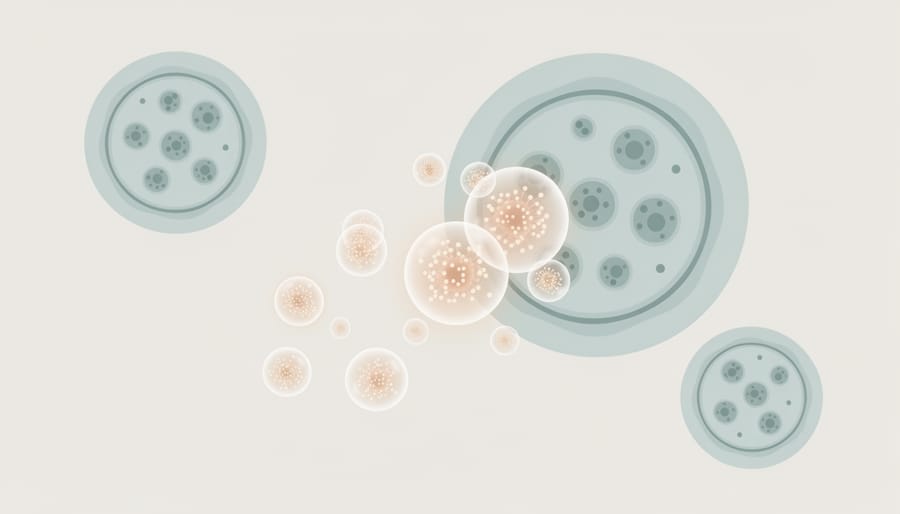
mRNA cancer vaccines fall into two main structural categories. Non-replicating mRNA vaccines deliver a single strand of messenger RNA that translates into the target antigen once, then degrades naturally within cells. Self-amplifying RNA (saRNA) vaccines include additional genetic sequences encoding viral replication machinery, allowing the RNA to copy itself within cells and produce antigens over an extended period. While saRNA can generate stronger immune responses with lower doses, the larger molecular size complicates delivery and increases the risk of triggering antiviral immune responses that may reduce efficacy.
From a targeting perspective, mRNA cancer vaccines divide into personalized neoantigen vaccines and shared tumor-associated antigen (TAA) vaccines. Personalized vaccines are custom-designed for individual patients based on sequencing of their specific tumor mutations, encoding multiple unique neoantigens that the immune system recognizes as foreign. These offer high specificity but require weeks of manufacturing time and significant computational analysis. Shared TAA vaccines target antigens commonly expressed across many tumors of the same type, such as MAGE-A3 in melanoma or mesothelin in pancreatic cancer, allowing off-the-shelf production but facing the challenge that these antigens may also appear at low levels in healthy tissues, potentially limiting immune activation.
Combination approaches pair mRNA vaccines with checkpoint inhibitors like anti-PD-1 antibodies, or incorporate multiple antigen targets within a single mRNA construct to broaden the immune attack and reduce tumor escape through antigen loss.
At the molecular level, every mRNA cancer vaccine contains several critical components. The coding sequence specifies the tumor antigen to be produced. Flanking untranslated regions (UTRs) at the 5′ and 3′ ends regulate translation efficiency and mRNA stability, optimized UTR sequences can increase protein output tenfold. A poly-A tail at the 3′ end protects the mRNA from degradation by cellular enzymes. Modified nucleosides, particularly pseudouridine or N1-methylpseudouridine substitutions, reduce innate immune recognition of the synthetic RNA, preventing premature inflammatory responses that would destroy the mRNA before translation. The delivery system, typically lipid nanoparticles composed of ionizable lipids, cholesterol, phospholipids, and PEG-lipids, encapsulates the mRNA to facilitate cellular uptake and endosomal escape. Each component must be optimized together, as changes to one element can affect overall vaccine performance in ways that aren’t always predictable from individual testing.
Key Advantages of mRNA Vaccines in Cancer Immunotherapy
mRNA vaccines offer several compelling advantages that make them particularly promising for cancer immunotherapy applications. The platform’s molecular design addresses key challenges that have historically limited vaccine-based approaches to treating malignancies.
The speed of mRNA vaccine development represents a transformative shift for oncology. Unlike traditional vaccines that require months or years to manufacture viral vectors or recombinant proteins, mRNA sequences can be designed and synthesized in days once tumor antigens are identified. This rapid turnaround proves critical when targeting patient-specific neoantigens identified through tumor sequencing, allowing clinical teams to produce personalized vaccines while disease remains stable or responds to conventional therapy.
Personalization capability stands as perhaps the most significant advantage for cancer treatment. mRNA vaccines can encode multiple patient-specific neoantigens simultaneously, creating a polyvalent immune response tailored to an individual tumor’s mutational landscape. This contrasts sharply with off-the-shelf approaches that target only shared tumor-associated antigens, which tumors often downregulate to escape immune surveillance. The ability to update antigen sequences as tumors evolve addresses the challenge of clonal selection and immune evasion.
The safety profile of mRNA vaccines alleviates concerns that have plagued other gene-based therapies. Because the platform is non-infectious and non-integrating, there’s no risk of insertional mutagenesis or persistent infection. The mRNA degrades naturally within days after fulfilling its translational function, limiting duration of antigen expression to a defined window. This transient nature also means that adverse effects, when they occur, resolve as the mRNA clears.
- Manufacturing: Cell-free production eliminates biological variability and contamination risks associated with cell-based systems
- Safety: Non-replicating nature prevents uncontrolled amplification and eliminates integration into host genome
- Immunological: Strong activation of both CD8+ cytotoxic T cells and CD4+ helper T cells through endogenous antigen presentation
- Clinical flexibility: Sequences can be rapidly modified to address tumor evolution or incorporate newly identified antigens
mRNA vaccines demonstrate robust immunogenicity that drives effective anti-tumor responses. The delivery of mRNA into cells mimics viral infection, triggering pattern recognition receptors that activate innate immunity. This intrinsic adjuvant effect enhances adaptive immune responses without requiring separate immunostimulatory agents. The endogenous production of antigens in the cytoplasm ensures efficient MHC class I presentation, optimizing CD8+ T-cell priming for direct tumor cell killing.
Scalability represents a practical advantage as demand for cancer vaccines grows. The same manufacturing platform and equipment can produce vaccines for different patients or tumor types by simply changing the encoded sequence. This modular approach reduces infrastructure requirements compared to developing separate production lines for each therapeutic target, making personalized medicine economically feasible at scale.
Significant Disadvantages and Challenges of mRNA Vaccines

mRNA vaccines face several substantial challenges that currently limit their widespread application in cancer immunotherapy, particularly when compared to conventional therapeutic modalities. These limitations span technical, biological, logistical, and economic domains.
The most immediate practical barrier is stability. mRNA molecules degrade rapidly at room temperature due to ubiquitous RNase enzymes, necessitating ultra-cold storage conditions, often at -70°C for long-term preservation. This cold-chain requirement creates logistical hurdles for clinical deployment, especially in settings without specialized freezer infrastructure. Even with lipid nanoparticle encapsulation, which protects the mRNA payload during transport and delivery, temperature excursions can compromise vaccine potency. For personalized cancer vaccines manufactured on a patient-by-patient basis, maintaining stability throughout the supply chain adds complexity and cost.
Delivery efficiency remains a fundamental obstacle. While lipid nanoparticles successfully ferry mRNA into cells after intramuscular injection, the proportion of administered mRNA that reaches target antigen-presenting cells is relatively low. Much of the injected material either degrades before cellular uptake or enters non-immune cells where the translated antigen fails to stimulate robust T-cell responses. In the tumor microenvironment itself, delivery becomes even more challenging: dense extracellular matrix, abnormal vasculature, and immunosuppressive cellular populations hinder nanoparticle penetration and reduce local mRNA translation.
- Technical: mRNA instability requiring ultra-cold storage, suboptimal delivery efficiency to target cells
- Biological: Variable patient immune responses, tumor microenvironment-mediated immune suppression
- Logistical: Cold-chain infrastructure demands, manufacturing timelines for personalized vaccines
- Economic: High production costs per patient for individualized approaches, specialized manufacturing facilities
Inflammatory side effects present another concern. The innate immune system recognizes mRNA as a pathogen-associated molecular pattern, triggering interferon responses and pro-inflammatory cytokine release. While modified nucleosides like pseudouridine reduce this reactivity, patients frequently experience injection-site reactions, fever, fatigue, and myalgia. For cancer patients already managing disease burden and concurrent treatments, these side effects can impact quality of life and treatment adherence.
Patient response variability complicates clinical outcomes. Not all individuals mount equally robust immune responses to mRNA vaccines. Factors including HLA genotype, baseline immune status, prior immunosuppressive therapies, and tumor-intrinsic immune evasion mechanisms all influence efficacy. Cancer patients with compromised immune systems from chemotherapy or disease progression may generate inadequate T-cell responses even with well-designed vaccines.
Manufacturing complexity escalates costs for personalized approaches. Producing individualized neoantigen vaccines requires tumor sequencing, epitope prediction algorithms, custom mRNA synthesis for each patient, and quality control testing, processes that currently take weeks and demand specialized facilities. This complexity translates into per-patient costs that exceed conventional therapies, raising questions about scalability and healthcare system sustainability for widespread cancer vaccine deployment.
Clinical Applications and Uses in Oncology

Clinical applications of mRNA vaccines in oncology leverage the platform’s flexibility and immunogenicity across multiple cancer types, with therapeutic strategies increasingly moving from preclinical models into human trials. The technology addresses unmet needs in solid tumor immunotherapy where traditional approaches have shown limited efficacy.
Therapeutic cancer vaccines represent the most advanced application area. Melanoma has emerged as a lead indication due to its immunogenic nature and high mutational burden. Non-small cell lung cancer (NSCLC) follows closely, with trials targeting both neoantigen-specific and tumor-associated antigen approaches. Additional solid tumors under investigation include bladder, colorectal, pancreatic, and head and neck cancers, where personalized mRNA constructs encode patient-specific mutations identified through tumor sequencing.
Combination strategies with immune checkpoint inhibitors amplify the clinical potential. Pairing mRNA vaccines with PD-1 or PD-L1 antibodies aims to overcome tumor immune evasion: the vaccine primes tumor-specific T cells while the checkpoint blockade prevents their exhaustion within the tumor microenvironment. Early trial results suggest improved progression-free survival rates when combining individualized neoantigen vaccines with pembrolizumab or nivolumab, particularly in patients whose tumors have intermediate PD-L1 expression levels.
Personalized neoantigen vaccines constitute a distinct subcategory requiring integrated genomic and computational workflows. These approaches sequence both tumor and normal tissue, identify patient-unique mutations likely to generate immunogenic peptides, and manufacture custom mRNA constructs encoding up to 20 predicted neoantigens per patient. Manufacturing timelines have compressed to four to eight weeks from biopsy to vaccine administration, making this individualized strategy clinically feasible.
Prophylactic applications remain exploratory but hold promise for high-risk populations. Individuals with genetic predispositions such as BRCA mutations or Lynch syndrome represent potential candidates for preventive vaccination targeting shared tumor antigens associated with their cancer risk profile. This approach faces regulatory and ethical complexities given the need to vaccinate healthy individuals, but pilot studies are examining feasibility in patients with premalignant lesions.
The clinical trial landscape as of 2026 includes numerous Phase 1 and Phase 2 studies across institutions worldwide, with some personalized platforms advancing toward pivotal registration trials. Success depends on refining patient selection criteria, optimizing dosing schedules, and identifying biomarkers that predict which patients will mount robust antitumor responses.
Expert Perspectives on the Balance of Benefits and Limitations
Leading researchers in cancer immunotherapy view the current state of mRNA vaccines as a pivotal learning phase rather than a mature endpoint. Dr. Catherine Samuels at Johns Hopkins emphasizes that delivery optimization represents the field’s most urgent challenge: “We’re engineering next-generation lipid nanoparticles with tumor-targeting ligands and pH-responsive release mechanisms to address the ten to fifteen percent delivery efficiency we see with current formulations.” Teams at MD Anderson are pairing thermostable mRNA modifications with lyophilized formulations to eliminate cold-chain dependency, potentially reducing distribution costs by forty percent while expanding access to community oncology centers.
Biomarker development for patient selection has emerged as a critical strategy to maximize response rates. Collaborative projects involving Memorial Sloan Kettering and BioNTech are validating predictive signatures based on tumor mutational burden, PD-L1 expression levels, and baseline T-cell receptor diversity. These panels help identify patients most likely to benefit from personalized neoantigen approaches rather than applying the technology broadly. AI and data science platforms now accelerate neoantigen prediction from weeks to forty-eight hours, addressing manufacturing timeline constraints that previously limited clinical application.
Integration with existing cancer therapies represents where advantages outweigh limitations most clearly. Combination protocols pairing mRNA vaccines with checkpoint inhibitors show thirty to fifty percent higher response rates than either modality alone across multiple trials. “The question isn’t whether mRNA vaccines work in isolation, but how we orchestrate them within comprehensive treatment algorithms,” notes Dr. James Chen at Dana-Farber. Research tracking impact factor trends and molecular medicine impact confirms growing acceptance of multimodal frameworks where mRNA platforms provide adaptable immunological priming rather than standalone cures.
Frequently Asked Questions About mRNA Cancer Vaccines
Are mRNA vaccines safe for cancer patients with compromised immunity?
Safety profiles from clinical trials show that mRNA cancer vaccines are non-infectious and do not integrate into the genome, making them generally safe for immunocompromised patients. However, efficacy may be reduced in patients with severely suppressed immune systems, as the vaccine mechanism relies on functional T-cell and B-cell responses to generate anti-tumor immunity.
How long do mRNA cancer vaccines provide protection?
Duration of protection varies significantly based on tumor type, vaccine formulation, and individual patient factors. Current clinical data suggests immune responses can persist for months to over a year, but durability remains an active area of investigation, with booster strategies under evaluation to maintain long-term anti-tumor immunity.
Why aren’t all cancer patients receiving mRNA vaccines yet?
Most mRNA cancer vaccines remain in clinical trial phases rather than approved standard-of-care treatments. Challenges include identifying which patients will respond best, optimizing delivery to tumor sites, manufacturing complexity for personalized approaches, and the need for combination with other therapies like checkpoint inhibitors to overcome tumor immune evasion.
How do personalized mRNA vaccines differ from off-the-shelf approaches?
Personalized vaccines are designed from each patient’s unique tumor mutations, encoding neoantigens specific to their cancer, which requires tumor sequencing and custom manufacturing. Off-the-shelf vaccines target shared tumor-associated antigens common across many patients, allowing pre-manufactured doses but potentially lower specificity and immune response strength.
What makes mRNA delivery to tumors challenging?
Effective delivery requires the mRNA-lipid nanoparticle complex to reach tumor tissue, penetrate the immunosuppressive tumor microenvironment, and transfect antigen-presenting cells or tumor cells directly. Physical barriers like abnormal vasculature, dense extracellular matrix, and active immune suppression mechanisms within tumors all reduce delivery efficiency compared to delivery to lymph nodes or peripheral tissues.
These questions reflect concerns raised by both clinical oncologists evaluating mRNA platforms for patient treatment and molecular biology researchers working to improve vaccine design. Understanding the limitations around immune status requirements, durability, and delivery efficiency helps contextualize why mRNA cancer vaccines show promise in trials but have not yet achieved widespread clinical adoption. The distinction between personalized and shared-antigen approaches highlights a key strategic decision in vaccine development, balancing manufacturing speed against immunological precision.
The advantages and disadvantages of mRNA vaccines in cancer treatment reflect a technology at a pivotal stage of development. Their rapid design capability, personalization potential, and ability to generate robust T-cell responses establish mRNA platforms as uniquely suited for oncology applications where tumor heterogeneity and individual patient variability demand adaptive solutions. These strengths have driven the expansion of clinical trials and the integration of mRNA vaccines into combination immunotherapy protocols.
However, significant challenges temper immediate expectations. Delivery efficiency to tumor sites remains inconsistent, cold-chain logistics complicate clinical implementation, and variable patient responses underscore the need for better predictive biomarkers. Manufacturing personalized neoantigen vaccines at scale introduces cost and timeline constraints that limit accessibility. The immunosuppressive tumor microenvironment can blunt vaccine efficacy, requiring strategic combinations with checkpoint inhibitors or other immune modulators.
Despite these limitations, ongoing research addresses the core obstacles through improved lipid nanoparticle formulations for enhanced stability, novel adjuvants to boost immunogenicity, and computational tools for neoantigen prediction. The field continues refining patient selection criteria and exploring optimal dosing schedules. As these technical refinements advance, mRNA cancer vaccines move closer to fulfilling their promise as standard-of-care components in precision oncology, offering patients treatment options that adapt to their specific tumor biology with a speed and flexibility unmatched by conventional approaches.