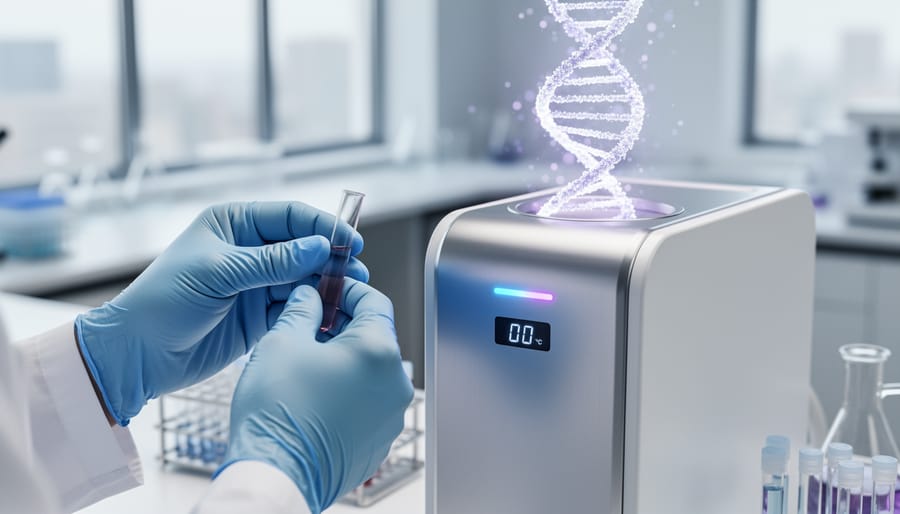
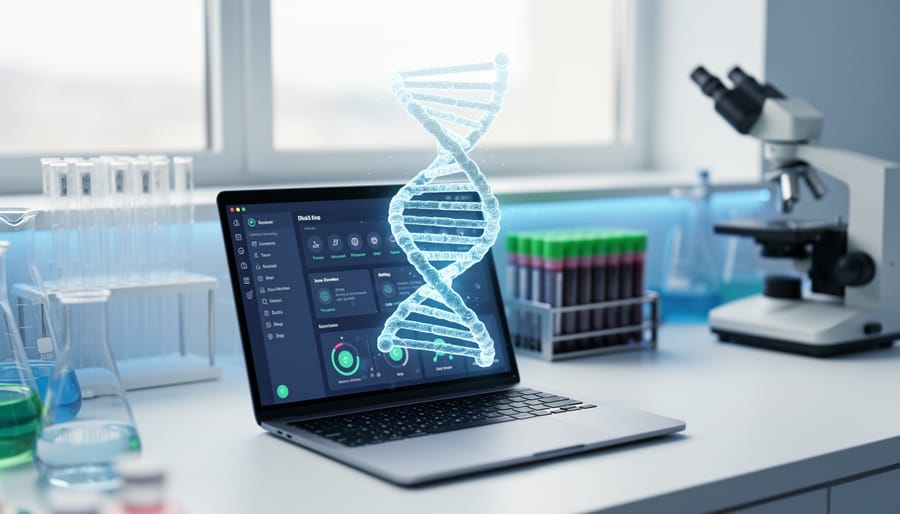
Molecular diagnostics is the detection and analysis of biological markers in the genome and proteome using molecular biology techniques to diagnose disease, assess risk, guide treatment decisions, and monitor therapeutic response. Unlike traditional diagnostic methods that identify phenotypic changes or culture pathogens over days, molecular diagnostics detects the genetic and molecular signatures of disease at the nucleic acid or protein level, often within hours.
This field has transformed clinical medicine by enabling precision diagnostics that were impossible a generation ago. When a clinician needs to identify a pathogen in a …