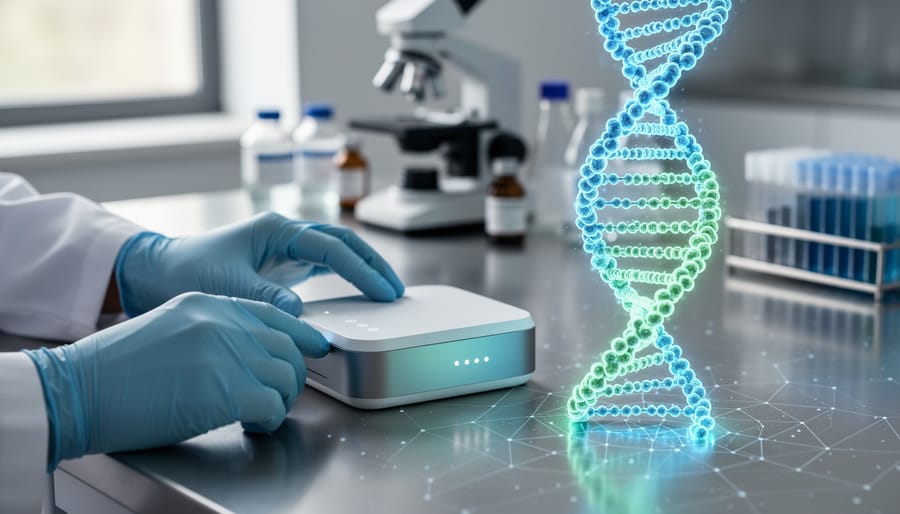
Molecular biology research has undergone three transformative shifts in 2026 that are fundamentally changing how laboratories approach gene editing precision, protein structure prediction, and single-cell analysis at scale. These advances stem from the convergence of artificial intelligence with traditional wet-lab techniques, enabling pharmaceutical companies to compress drug discovery timelines by as much as 40% while academic institutions gain access to previously cost-prohibitive technologies through open-source platforms.
Key Takeaway: AI-enhanced CRISPR systems now achieve 99.7% on-…