Molecular diagnostics is the detection and analysis of biological markers in the genome and proteome using molecular biology techniques to diagnose disease, assess risk, guide treatment decisions, and monitor therapeutic response. Unlike traditional diagnostic methods that identify phenotypic changes or culture pathogens over days, molecular diagnostics detects the genetic and molecular signatures of disease at the nucleic acid or protein level, often within hours.
This field has transformed clinical medicine by enabling precision diagnostics that were impossible a generation ago. When a clinician needs to identify a pathogen in a critically ill patient, determine whether a cancer will respond to a targeted therapy, or detect a genetic disorder before birth, molecular diagnostics provides the answer. The technologies underlying this discipline have become essential infrastructure in hospitals, reference laboratories, pharmaceutical development pipelines, and public health surveillance systems worldwide.
The revolution in molecular diagnostics mirrors broader shifts in biomedical research, where technologies once confined to research labs have migrated into routine clinical practice. Publications tracking impact factor trends in molecular biology and clinical pathology journals reflect this growing importance, with diagnostic innovation papers now competing with fundamental discovery research for citations and influence.
What makes molecular diagnostics particularly powerful is specificity. A PCR assay can distinguish between bacterial species that appear identical under a microscope. Next-generation sequencing can identify a single nucleotide variant among three billion base pairs that determines whether a patient will benefit from a $100,000 therapy. Liquid biopsies can detect circulating tumor DNA at concentrations measured in parts per million.
This article explains how molecular diagnostics works at the technical level, surveys the major technology platforms driving the field in 2026, and examines real-world applications across infectious disease, oncology, genetic screening, and beyond. Whether you work in a clinical lab evaluating new platforms, study molecular pathology, or develop diagnostic assays for industry, understanding these fundamentals provides the foundation for navigating a rapidly evolving landscape.
What Molecular Diagnostics Means in Modern Medicine
Molecular diagnostics represents a paradigm shift in how we detect and understand disease, moving beyond observable symptoms to examine the fundamental molecular machinery of cells. At its core, this field identifies and quantifies specific nucleic acids, DNA, RNA, and their chemical modifications, to reveal the genetic instructions, mutations, and expression patterns that drive health and disease. Rather than waiting for a pathogen to multiply to detectable levels or for tissue changes to become visible under a microscope, molecular methods can pinpoint a single genetic variant in a blood sample or identify viral genetic material hours after infection.
The distinction from traditional diagnostics is profound. Conventional approaches rely on culturing microorganisms (which can take days), observing cellular morphology under microscopy, or measuring protein levels through immunoassays. These methods detect the downstream effects of molecular events. Molecular diagnostics interrogates the source directly: the genetic code itself. This upstream approach delivers earlier detection, identifies pathogens that resist conventional culture, and reveals predispositions to disease before any clinical signs appear.
- Nucleic Acids
- DNA and RNA molecules that carry genetic information and regulate cellular functions. In diagnostics, these serve as direct evidence of genetic disorders, infectious agents, or cancer-related mutations.
- Biomarkers
- Measurable molecular indicators of biological states or disease processes. Genetic biomarkers guide treatment selection and predict patient response to specific therapies.
- Molecular Targets
- Specific DNA or RNA sequences that diagnostic tests are designed to detect. These might include disease-causing mutations, pathogen-specific genes, or expression signatures of particular conditions.
- Bioinformatics Workflows
- Computational pipelines that process raw molecular data into clinically meaningful results. These systems align sequences, identify variants, and compare findings against reference databases to generate diagnostic reports.
Modern molecular diagnostics generates data at a scale unimaginable a decade ago. A single next-generation sequencing run can produce billions of DNA fragments requiring alignment, variant calling, and clinical interpretation. This is where bioinformatics becomes indispensable. Sophisticated algorithms transform raw sequence reads into annotated variant lists, filter out technical artifacts, assess pathogenicity, and flag actionable findings. Without robust computational infrastructure, the molecular data remains unusable noise rather than diagnostic insight.
The integration of molecular biology and computational analysis defines 2026’s diagnostic landscape. Clinicians now routinely order genomic panels that would have been science fiction in the early 2000s, and laboratory workflows seamlessly hand off from bench chemistries to cloud-based analysis pipelines. This convergence enables precision medicine: matching individual patients to targeted therapies based on their unique molecular profiles rather than treating diseases as monolithic categories.
How Molecular Diagnostics Works
Sample Preparation and Nucleic Acid Extraction
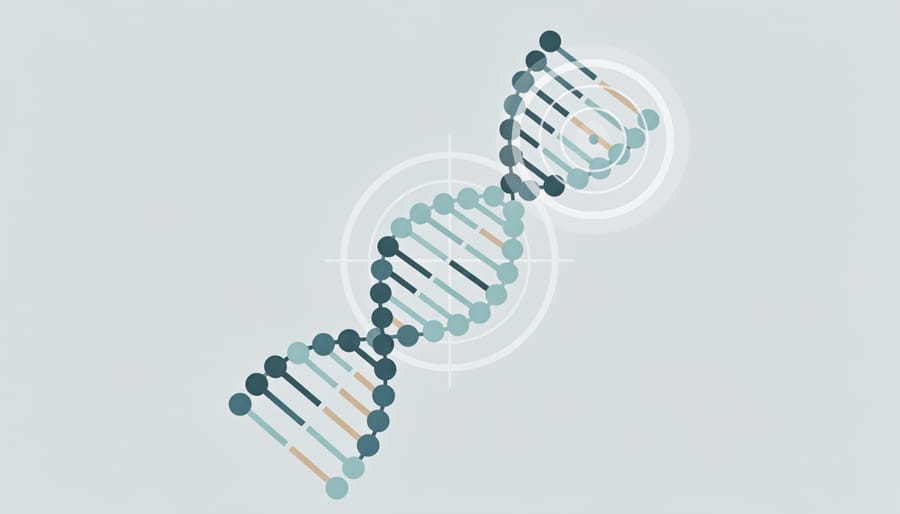
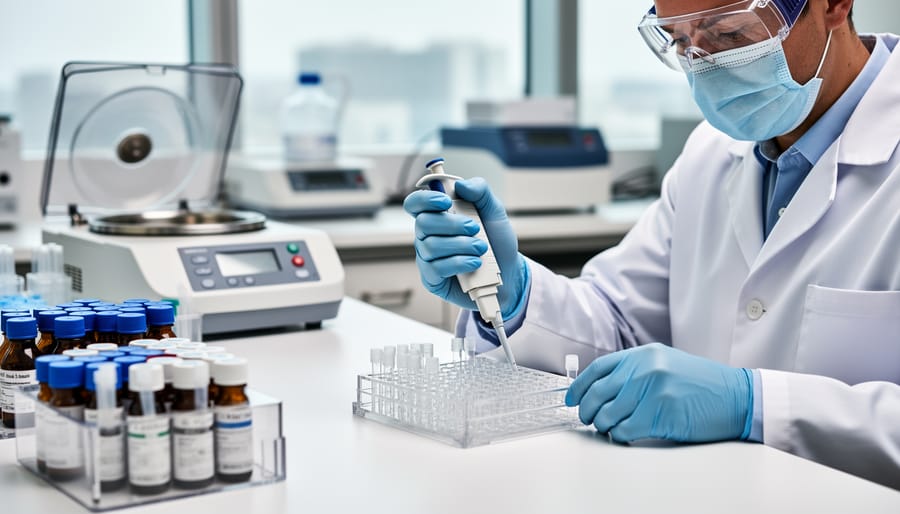
Sample preparation begins with proper specimen collection, blood, saliva, tissue biopsies, or swabs, each requiring specific handling protocols to prevent nucleic acid degradation. Preservatives such as EDTA for whole blood or RNAlater for tissue samples stabilize DNA and RNA immediately after collection, maintaining molecular integrity during transport and storage.
Nucleic acid extraction isolates target molecules from cellular debris, proteins, and other contaminants that would interfere with downstream detection. Traditional methods employ chemical lysis buffers and organic solvents like phenol-chloroform, though automated systems using magnetic bead technology have become standard in clinical laboratories for their reproducibility and throughput. These platforms lyse cells, bind nucleic acids to silica-coated beads under specific pH conditions, wash away impurities through multiple buffer exchanges, then elute purified DNA or RNA in a clean solution.
Quality control at this stage is non-negotiable. Spectrophotometry measures nucleic acid concentration and purity ratios, while gel electrophoresis or automated instruments assess fragment integrity. Degraded or contaminated samples produce unreliable results regardless of how sophisticated the detection technology, making extraction the critical first checkpoint in the molecular diagnostic workflow.
Detection and Amplification Technologies
At the heart of molecular diagnostics lie three fundamental approaches for detecting and amplifying nucleic acids: polymerase chain reaction (PCR), sequencing technologies, and hybridization-based methods. Each addresses the central challenge of identifying minute quantities of specific genetic material within complex biological samples.
PCR amplifies targeted DNA sequences exponentially, creating millions of copies from a single molecule within hours. Real-time PCR, also called quantitative PCR (qPCR), monitors amplification as it occurs using fluorescent reporters, enabling both detection and quantification of specific sequences. This makes it ideal for measuring viral loads, detecting bacterial pathogens, and quantifying gene expression levels. Digital PCR takes precision further by partitioning samples into thousands of individual reactions, providing absolute quantification without standard curves.
Sequencing technologies determine the exact nucleotide order of DNA or RNA fragments. While traditional Sanger sequencing remains valuable for confirming specific mutations, next-generation sequencing platforms can analyze millions of DNA fragments simultaneously, revealing comprehensive genomic profiles rather than targeting predetermined sequences.
Hybridization-based methods rely on the principle that complementary nucleic acid strands bind to each other with high specificity. Fluorescence in situ hybridization (FISH) uses fluorescent probes to visualize specific DNA sequences within intact cells or tissue sections, making chromosomal abnormalities visible under a microscope. Microarrays employ thousands of immobilized probes on a chip surface, allowing simultaneous detection of multiple genetic variants, gene expression patterns, or pathogen species in a single assay.
Bioinformatics Analysis and Interpretation
Once detection and amplification steps generate raw molecular data, bioinformatics tools transform these signals into meaningful clinical insights. Sequence alignment algorithms compare patient data against reference genomes, identifying matches and discrepancies at single-nucleotide resolution. Variant calling software distinguishes true genetic differences from technical artifacts or sequencing errors, applying statistical models to assign confidence scores to each detected mutation.
Annotation pipelines then interpret these variants by cross-referencing databases of known pathogenic mutations, population frequencies, and functional predictions. This computational layer determines whether a detected change represents a disease-causing mutation, a benign polymorphism, or a variant of uncertain significance. Machine learning models increasingly support this process, recognizing patterns in large genomic datasets that correlate with clinical outcomes.
The final stage integrates variant calls with clinical context, patient phenotype, family history, and treatment protocols, to generate structured reports. These documents translate complex molecular findings into actionable recommendations: a confirmed diagnosis, a predicted drug response, or guidance for further testing. Without robust bioinformatics infrastructure, molecular diagnostics would produce data but not answers, making computational analysis as critical as the laboratory techniques themselves.
Core Technologies and Methodologies
PCR-Based Diagnostics
PCR-based diagnostics leverage polymerase chain reaction technology to amplify and detect specific DNA or RNA sequences with exceptional sensitivity and specificity. These platforms have become workhorses in clinical and research laboratories due to their speed, reliability, and adaptability.
Real-time PCR (quantitative PCR or qPCR) monitors amplification as it occurs, enabling precise quantification of target nucleic acids. Clinicians use qPCR for viral load monitoring in HIV and hepatitis patients, where changes in copy number guide treatment decisions. The technique also measures gene expression levels in research settings, revealing how cells respond to drugs or environmental conditions.
Digital PCR partitions samples into thousands of individual reactions, counting positive droplets to deliver absolute quantification without standard curves. This approach excels at detecting rare mutations in cancer surveillance and measuring low-abundance pathogens with greater precision than qPCR.
Multiplex PCR simultaneously amplifies multiple targets in a single reaction, dramatically increasing throughput. Respiratory pathogen panels, for instance, test for dozens of viruses and bacteria concurrently, accelerating diagnosis while conserving precious clinical specimens. These platforms integrate seamlessly with bioinformatics systems that automate result interpretation and flag clinically significant findings.
Next-Generation Sequencing (NGS)
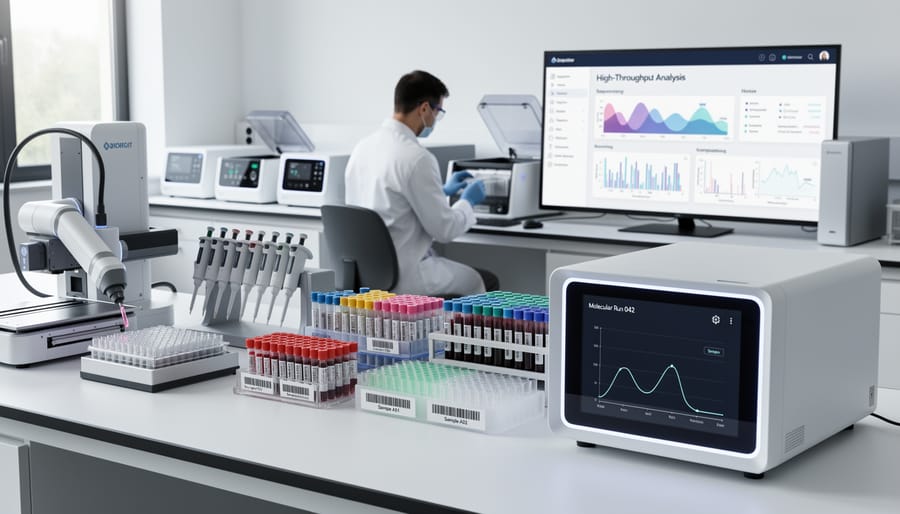
Next-generation sequencing represents a paradigm shift in molecular diagnostics, enabling massively parallel analysis of millions of DNA fragments simultaneously. Unlike traditional Sanger sequencing, which processes one target at a time, NGS platforms generate comprehensive genomic datasets in a single run, making it possible to interrogate entire genomes, all protein-coding regions, or curated gene panels relevant to specific clinical questions.
Whole-genome sequencing (WGS) analyzes the complete DNA blueprint of an organism, typically producing 30× to 100× coverage depth to ensure accuracy. This approach captures coding regions, regulatory elements, and structural variants across all chromosomes. Whole-exome sequencing (WES) focuses exclusively on the roughly 1-2% of the genome that encodes proteins, reducing sequencing costs and data complexity while still covering most disease-causing mutations. Targeted panels sequence predefined sets of genes, often dozens to hundreds, selected for specific conditions like hereditary cancers, cardiomyopathies, or pharmacogenomic markers.
The power of NGS comes with a computational cost. A single human genome generates 100-200 gigabytes of raw data requiring alignment to reference sequences, variant calling, quality filtering, and annotation. Bioinformatics pipelines integrate multiple algorithms to distinguish true genetic variants from sequencing artifacts, predict functional consequences, and cross-reference variants against clinical databases. These workflows typically run on high-performance computing infrastructure, transforming raw sequencing reads into clinically interpretable variant reports within hours to days. The integration of machine learning models in 2026 has further refined variant classification, particularly for distinguishing pathogenic mutations from benign polymorphisms in rare disease diagnosis.
Microarray and Hybridization Technologies
Microarray and hybridization technologies rely on complementary base-pairing between immobilized probes and labeled sample nucleic acids to detect thousands of genetic targets simultaneously. DNA microarrays, silicon or glass slides printed with thousands of oligonucleotide probes, enable genome-wide expression profiling, identifying which genes are actively transcribed in diseased versus healthy tissue. SNP chips, a specialized microarray format, interrogate hundreds of thousands to millions of single nucleotide polymorphisms across the genome, revealing inherited risk variants and copy number alterations in cancer genomes.
Fluorescence in situ hybridization (FISH) takes a different approach: fluorescently labeled DNA probes bind directly to chromosomes in fixed cells, visualizing structural abnormalities, gene amplifications, or chromosomal translocations under microscopy. FISH remains essential in hematologic malignancy diagnosis, where detecting BCR-ABL fusions or MYC rearrangements guides treatment selection.
While next-generation sequencing has displaced microarrays in many discovery applications, these hybridization platforms retain advantages in speed, cost per sample, and standardized probe sets, particularly for established clinical tests requiring rapid turnaround. Bioinformatics pipelines normalize fluorescence intensities, call genotypes, and identify chromosomal gains or losses from the resulting data matrices.
Emerging Molecular Platforms
The frontier of molecular diagnostics in 2026 is defined by platforms that offer faster workflows, greater accessibility, and detection capabilities beyond traditional laboratory settings. CRISPR-based diagnostic systems, such as SHERLOCK and DETECTR, harness the sequence-specific nuclease activity of Cas enzymes to achieve single-molecule sensitivity for pathogen detection and genetic variant identification, delivering results in under an hour without specialized equipment. Isothermal amplification methods, including loop-mediated isothermal amplification (LAMP) and recombinase polymerase amplification (RPA), eliminate the thermal cycling requirements of PCR, enabling point-of-care testing in resource-limited environments while maintaining high specificity. Liquid biopsy technologies analyze circulating tumor DNA, cell-free RNA, and extracellular vesicles from blood samples to monitor cancer progression and treatment response non-invasively, representing a paradigm shift from tissue-based molecular profiling. These platforms share a common trajectory: integrating molecular precision with operational simplicity, supported by bioinformatics pipelines that translate complex signals into clear diagnostic outputs.
Clinical and Research Applications
Infectious Disease Testing
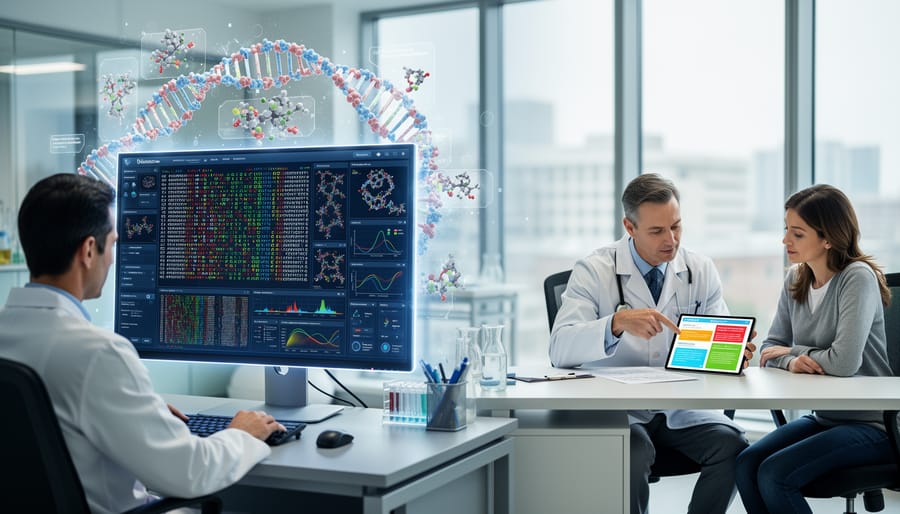
Molecular diagnostics has revolutionized infectious disease detection by delivering results in hours rather than days. PCR-based assays identify bacterial and viral pathogens directly from clinical specimens, blood, respiratory swabs, cerebrospinal fluid, without the need for time-consuming culture. Multiplex panels simultaneously screen for dozens of respiratory viruses or gastrointestinal pathogens in a single reaction, accelerating diagnosis during flu season or foodborne outbreaks.
Antimicrobial resistance (AMR) profiling represents another critical application. Sequencing-based methods detect resistance genes in bacterial isolates, guiding clinicians toward effective antibiotics and away from treatments likely to fail. In outbreak scenarios, whole-genome sequencing traces transmission chains by comparing pathogen genomes, revealing epidemiological links that traditional methods miss. Public health laboratories now integrate AI data science to analyze sequence data at scale, identifying emerging strains and predicting resistance trends across populations. This combination of rapid molecular detection and computational analysis has become indispensable for infection control and surveillance.
Oncology and Precision Medicine
Molecular diagnostics has revolutionized cancer care by enabling clinicians to characterize tumors at the genetic level and select therapies targeting specific molecular alterations. Tumor genomic profiling identifies actionable mutations, amplifications, and fusions in genes like EGFR, BRAF, and ALK, guiding the use of targeted inhibitors that improve outcomes while sparing patients ineffective treatments. Next-generation sequencing panels can assess hundreds of cancer-related genes simultaneously, revealing resistance mechanisms and alternative therapeutic pathways when first-line agents fail.
Beyond initial diagnosis, molecular methods monitor minimal residual disease, trace cancer cells persisting after treatment, by detecting circulating tumor DNA in blood samples. This liquid biopsy approach offers earlier relapse detection than imaging, allowing timely intervention before disease becomes clinically apparent.
Biomarker-driven therapy selection extends to immunotherapy, where assays measuring tumor mutational burden, microsatellite instability, and PD-L1 expression identify patients most likely to respond to checkpoint inhibitors. Companion diagnostics have become regulatory requirements for numerous oncology drugs, ensuring that molecular testing directly informs prescribing decisions and optimizes the risk-benefit balance for individual patients.
Genetic and Rare Disease Diagnosis
Whole-exome sequencing (WES) and targeted gene panels have revolutionized the diagnosis of rare genetic disorders, many of which eluded identification through conventional testing. WES examines the protein-coding regions of all genes simultaneously, making it invaluable for patients presenting with complex phenotypes or consanguineous family histories. Targeted panels focus on known disease-associated genes for specific conditions like cardiomyopathies or metabolic disorders, offering faster turnaround and lower cost when clinical suspicion points to particular pathways.
These approaches inform reproductive planning through preconception carrier screening and prenatal diagnosis, identifying pathogenic variants that parents might transmit to offspring. Clinical laboratories now routinely sequence trio samples (proband and both parents) to distinguish de novo mutations from inherited variants, significantly improving diagnostic yield. For families with undiagnosed conditions, molecular diagnostics provides answers that guide medical management, connect patients to support networks, and enable informed family planning decisions.
Pharmacogenomics and Drug Development
Molecular diagnostics has transformed drug development by identifying genetic variants that influence how patients metabolize and respond to medications. Pharmacogenomic testing analyzes genes encoding drug-metabolizing enzymes, transporters, and therapeutic targets to predict individual responses before treatment begins. In clinical trials, molecular assays stratify participants by genetic biomarkers, enabling sponsors to identify responsive populations and avoid enrollment of patients unlikely to benefit. This precision reduces trial failures and accelerates regulatory approval for targeted therapies.
For approved drugs, companion diagnostics, molecular tests developed alongside therapeutics, guide dosing adjustments based on metabolizer status. CYP2C19 testing for clopidogrel, TPMT genotyping for thiopurine drugs, and HLA-B*5701 screening before abacavir therapy exemplify routine pharmacogenomic applications in 2026. These tests prevent adverse events, optimize efficacy, and shift prescribing from population averages to individualized regimens grounded in each patient’s molecular profile.
The Role of Bioinformatics in Molecular Diagnostics
Modern molecular diagnostics generates immense volumes of complex data that would be meaningless without sophisticated computational analysis. Bioinformatics transforms raw sequencing reads, mass spectrometry outputs, and microarray signals into clinically actionable information, making it the invisible infrastructure that powers every molecular test result.
When an NGS platform produces millions of short DNA fragments from a patient sample, bioinformatics pipelines align these sequences to reference genomes, identify variants, and filter out technical artifacts. Specialized algorithms distinguish true pathogenic mutations from benign polymorphisms, cross-referencing findings against curated databases like ClinVar and COSMIC. This computational layer is essential, without it, even the most advanced sequencing instrument produces only noise.
Variant interpretation software applies multiple predictive models simultaneously, assessing evolutionary conservation, protein structure impact, and population frequency to classify each genetic change as pathogenic, benign, or uncertain. Machine learning tools trained on thousands of clinical cases now assist in prioritizing candidate disease-causing variants, dramatically reducing the time geneticists spend manually reviewing results. These systems must balance sensitivity with specificity, as false positives can lead to unnecessary interventions while false negatives may miss critical diagnoses.
Integration with clinical decision support systems represents the final crucial step. Bioinformatics platforms link molecular findings directly to treatment guidelines, drug-gene interaction databases, and institutional protocols. When a tumor profile reveals an actionable molecular medicine impact mutation, the system can automatically flag matching clinical trials and FDA-approved targeted therapies, presenting oncologists with evidence-based options at the point of care.
Data management infrastructure handles the equally demanding challenge of storing, retrieving, and protecting massive genomic datasets while maintaining compliance with privacy regulations. Cloud-based bioinformatics solutions now enable real-time collaborative analysis across institutions, accelerating rare disease diagnosis and outbreak response. This computational backbone has evolved from a support function to an indispensable component that defines what modern molecular diagnostics can achieve.
Frequently Asked Questions
Molecular diagnostics raises practical questions for professionals entering the field, students exploring career options, and institutions evaluating implementation. The following addresses the most common queries from clinical labs, research facilities, and educational settings.
How does molecular diagnostics differ from traditional diagnostic methods?
Molecular diagnostics detects specific genetic sequences, mutations, or nucleic acids at the molecular level, while traditional methods rely on culturing organisms, observing cellular morphology, or detecting proteins through immunoassays. This molecular approach offers greater specificity, faster turnaround for many tests, and the ability to identify pathogens that are difficult or impossible to culture.
What is the typical turnaround time for molecular diagnostic tests?
Turnaround times vary widely by test complexity and platform. Rapid PCR-based assays can deliver results in 30 minutes to a few hours, while comprehensive NGS panels typically require 1-2 weeks due to sequencing depth, bioinformatics analysis, and clinical interpretation requirements.
How accurate are molecular diagnostic tests compared to conventional methods?
Modern molecular assays demonstrate high sensitivity and specificity when properly validated, often exceeding traditional methods for pathogen detection and genetic variant identification. However, accuracy depends on factors including sample quality, assay design, and appropriate bioinformatics workflows to minimize false positives from contamination or sequencing artifacts.
What training is required to work in molecular diagnostics?
Entry-level laboratory positions typically require a bachelor’s degree in molecular biology, genetics, or a related field, while senior roles often demand advanced degrees and certifications such as ASCP molecular biology specialist credentials. Bioinformatics roles increasingly require computational skills alongside molecular biology knowledge.
Cost considerations represent another frequent concern for institutions implementing molecular diagnostics. Initial capital investment for platforms like NGS systems can range from tens of thousands to several hundred thousand dollars, with ongoing expenses including reagents, quality controls, and bioinformatics infrastructure. However, per-test costs have declined significantly as technologies mature and throughput increases, making molecular methods increasingly competitive with traditional approaches for high-volume applications.
Regulatory requirements also shape implementation decisions. In clinical settings, molecular diagnostic tests must meet regulatory standards established by agencies such as the FDA in the United States or equivalent bodies internationally. Laboratory-developed tests require validation under CLIA and CAP guidelines, documenting analytical and clinical performance before patient use. Research applications face different regulatory landscapes, though data quality and reproducibility remain critical regardless of context.
The technical infrastructure needed extends beyond instrumentation. Successful molecular diagnostics programs require controlled environments to prevent nucleic acid contamination, robust quality management systems, and trained personnel capable of troubleshooting complex workflows. Bioinformatics capacity, including computational hardware, software pipelines, and analysts who can interpret variant calls, has become as essential as the wet-lab components themselves in 2026.
Molecular diagnostics has fundamentally reshaped how we detect disease, guide treatment, and understand biological systems at their most fundamental level. By interrogating DNA, RNA, and proteins directly, these technologies deliver precision that traditional methods cannot match, enabling clinicians to diagnose infections within hours rather than days, identify cancer-driving mutations before symptoms appear, and tailor therapies to individual genetic profiles.
The true power of molecular diagnostics lies in its integration with bioinformatics. Raw sequence data and amplification curves mean little without computational tools that translate them into actionable insights. As platforms generate ever-larger datasets, whole genomes sequenced in a single day, liquid biopsies tracking circulating tumor DNA, the bioinformatics infrastructure becomes more critical, not less. Machine learning algorithms now predict antimicrobial resistance patterns, while cloud-based pipelines enable real-time genomic surveillance across continents.
Looking ahead, the convergence of CRISPR-based detection, nanopore sequencing, and AI-driven interpretation promises to push molecular diagnostics beyond centralized laboratories into point-of-care settings and even home testing environments. These advances will likely accelerate personalized medicine, making genomic profiling routine rather than exceptional.
For laboratory professionals, clinicians, and researchers, molecular diagnostics represents both a mature field and one still in rapid evolution. Staying current with emerging technologies and bioinformatics methods is essential as this discipline continues redefining what diagnostic precision means in 2026 and the years ahead.